

The Bible: Book #24 What It Says, Why It Matters, & How to Live It
Jeremiah
Faithfulness When Everything Is Falling Apart
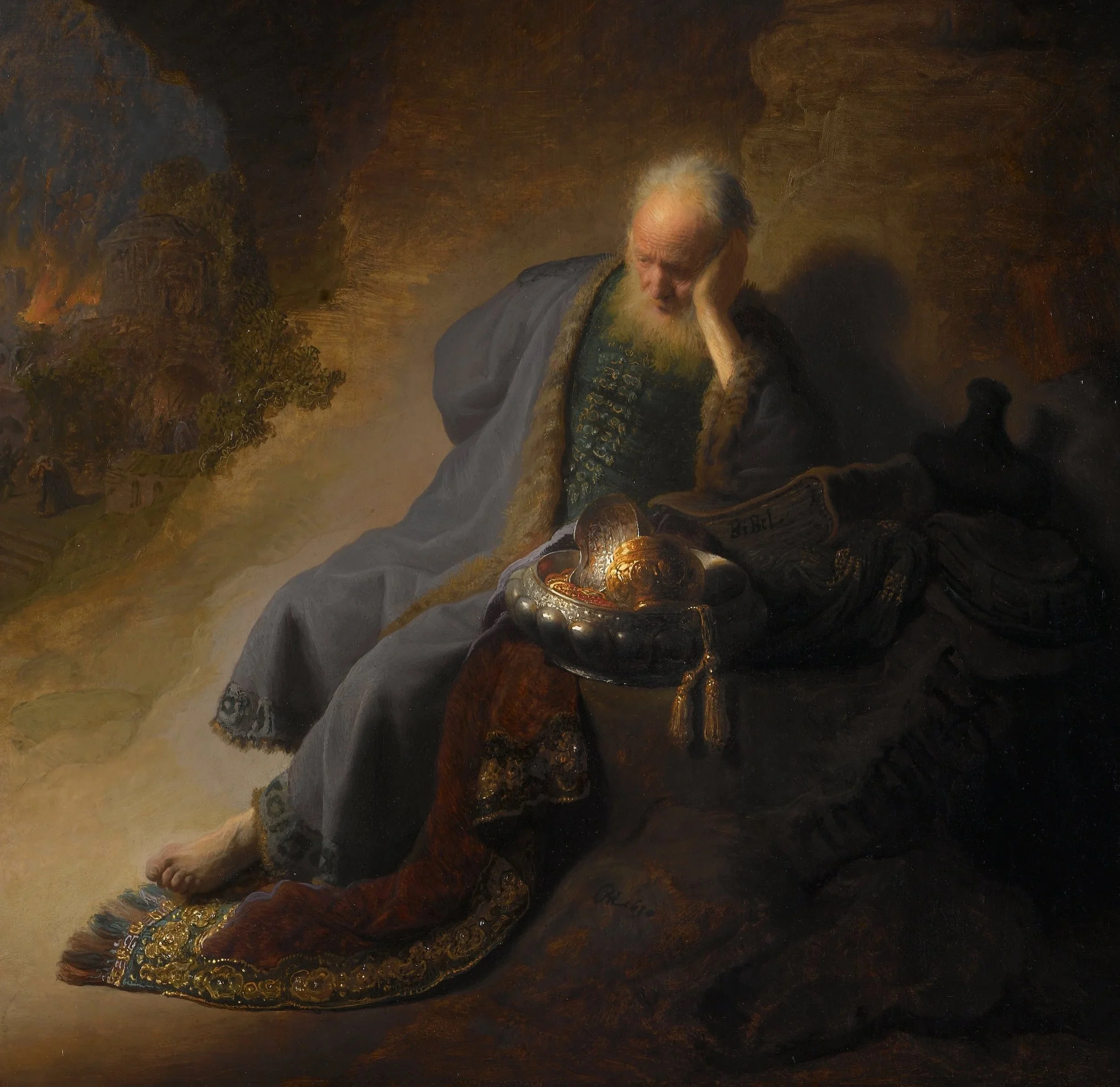
Jeremiah is the book of holy heartbreak.
If Isaiah lifts our eyes to the holiness of God and the promise of a Savior, Jeremiah plants our feet in the rubble, where warnings were ignored, consequences arrive, and God’s prophet is left preaching truth to a people who refuse to listen.
Jeremiah asks a painful but necessary question:
What does faithfulness look like when obedience doesn’t bring visible success and everything collapses anyway?
This book tells us: faithfulness is not measured by outcomes, but by obedience.
1. What Jeremiah Is About (The Big Picture)
Author: Jeremiah son of Hilkiah
Audience: Judah and Jerusalem, before and during the Babylonian exile
Setting: The final decades before Jerusalem’s destruction
Jeremiah spans more than forty years of prophetic ministry. During that time:
kings rise and fall
reform attempts fail
idolatry deepens
warnings intensify
exile becomes unavoidable
Jeremiah is not a linear story, it’s a collection of sermons, laments, visions, and historical moments that reveal the cost of ignoring God’s voice.
2. What Jeremiah Reveals About God
Jeremiah reveals a God who is:
Grieved — wounded by His people’s betrayal
Faithful — warning again and again
Just — allowing consequences to unfold
Compassionate — pleading before judging
Redemptive — promising restoration beyond exile
God is not detached from Judah’s fall. He weeps over it.
3. Major Themes in Jeremiah (Extended)
1. Broken Trust
Israel trades living water for broken cisterns, things that cannot satisfy.
2. False Security
Religious rituals replace repentance, creating a false sense of safety.
3. The Loneliness of Obedience
Jeremiah stands nearly alone mocked, imprisoned, ignored.
4. Judgment as Inevitable Mercy
Judgment comes not because God is cruel, but because repentance was refused.
5. Hope Beyond Ruin
Even as Jerusalem falls, God promises renewal.
4. Key Passages You Need to Understand
Jeremiah’s Calling (Jeremiah 1)
God calls Jeremiah young and warns him the message will be rejected.
“Do not be afraid… I am with you.”
Faithfulness is required, not success.
Broken Cisterns (Jeremiah 2)
God confronts Judah’s misplaced trust:
“They have forsaken Me… and dug their own cisterns.”
This image defines the book.
The Temple Sermon (Jeremiah 7)
Jeremiah exposes hollow worship:
“Do not trust in deceptive words and say, ‘This is the temple of the Lord.’”
Religion without obedience is exposed as illusion.
Jeremiah’s Laments (Jeremiah 11–20)
Jeremiah openly wrestles with God, fear, anger, exhaustion, despair. Scripture honors this honesty.
The New Covenant (Jeremiah 31)
Hope breaks through devastation:
“I will write My law on their hearts.”
This promise reshapes biblical theology.
The Fall of Jerusalem (Jeremiah 39–52)
Jerusalem burns. Exile begins. Yet God preserves a remnant and a promise.
5. How Jeremiah Points to Jesus
Jeremiah anticipates Christ in profound ways:
rejected prophet
message of repentance
compassion for the people
suffering obedience
promise of a new covenant
Jesus fulfills Jeremiah 31:
the law written on hearts
forgiveness of sins
restored relationship
Jeremiah announces what Jesus accomplishes.
6. Common Misunderstandings About Jeremiah
❌ “Jeremiah failed”
Faithfulness is not failure, even when ignored.
❌ “God enjoyed judging Judah”
God mourned it.
❌ “Hope only comes after obedience”
Hope is offered before collapse.
7. Why Jeremiah Matters Right Now
Jeremiah feels deeply modern:
When truth is unpopular → Jeremiah stands firm
When leaders fail repeatedly → Jeremiah explains why
When warnings are dismissed → Jeremiah shows the cost
When faith feels lonely → Jeremiah understands
This book reminds us:
Obedience is not validated by applause.
8. How to Read Jeremiah Without Losing Heart
Read it slowly and prayerfully
Expect repetition—it mirrors God’s patience
Sit with the laments
Hold onto the promise of renewal
Helpful prayer:
“God, help me stay faithful even when outcomes disappoint.”
9. A Devotional Reflection
Jeremiah teaches us that faithfulness does not always prevent loss. But it does preserve truth. If you feel like you’re standing in the gap speaking truth, living faithfully, and watching things fall apart anyway, Jeremiah offers this quiet assurance:
God sees your obedience. God honors faithfulness. And God’s promises outlive collapse.
10. Prayer
Faithful God,
When obedience feels lonely and truth feels costly, strengthen us. Guard our hearts from bitterness and despair. Write Your law on our hearts and anchor us in hope beyond ruin. Help us remain faithful, no matter the outcome.
Amen
