

The Bible: Book #25 What It Says, Why It Matters, & How to Live It
Lamentations
Grief, Ruin, and Hope in the Ashes
Lamentations is the book Scripture gives us after disaster.
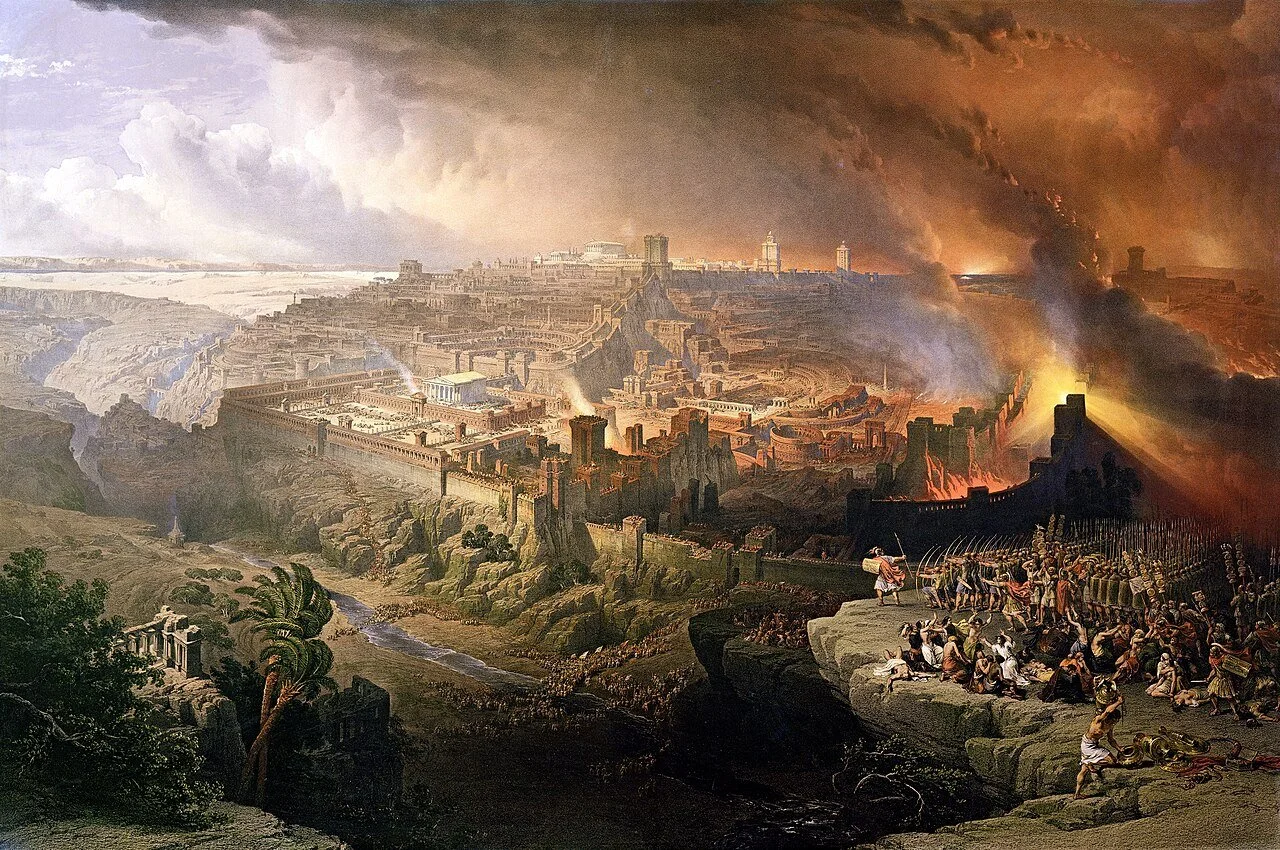
Jeremiah warned that Jerusalem would fall. Now it has.
The city is destroyed.
The temple is burned.
The people are exiled.
And instead of moving on quickly, the Bible stops and grieves.
Lamentations asks a question many people are afraid to voice:
What do you do when the worst happens—and there is no fixing it?
This book tells us: you lament.
1. What Lamentations Is About (The Big Picture)
Author: Traditionally attributed to Jeremiah
Audience: A devastated people processing loss
Setting: Immediately after the fall of Jerusalem (586 BC)
Lamentations is a collection of five poems—each a structured cry of grief. The poetry is intentional, disciplined, and raw. Sorrow is not chaotic here; it is given form.
This book exists to teach God’s people that grief is not a lack of faith, it is an act of faith.
2. What Lamentations Reveals About God
Lamentations reveals a God who is:
Just — acknowledging the reality of judgment
Compassionate — moved by suffering
Present — not absent in pain
Faithful — even when everything familiar is gone
Patient with grief — allowing space for sorrow
God does not silence lament. He preserves it in Scripture.
3. Major Themes in Lamentations (Extended)
1. Grief Has a Voice
Pain is named honestly; loss, hunger, humiliation, fear.
2. Sin Has Consequences
The book does not deny why Jerusalem fell, but it refuses to rush past the pain.
3. God’s Mercy Endures
Hope appears not by denying suffering, but in the middle of it.
4. God Is Still Sovereign
Even in ruin, God remains God.
5. Waiting Is Faith
Lament is not despair, it is trust stretched thin.
4. The Structure Matters (Why This Book Feels Different)
Each chapter is carefully composed:
Chapters 1–4 use acrostic poetry (A–Z)
Chapter 3 places hope at the center
Chapter 5 ends unresolved
This structure shows us:
Grief can be expressed without being uncontrolled.
And healing does not always end neatly.
5. Key Passages You Need to Understand
The Weight of Loss (Lamentations 1–2)
Jerusalem is personified as a grieving widow.
The devastation is total:
famine
isolation
shame
Nothing is minimized.
Hope in the Middle (Lamentations 3)
At the emotional center of the book comes this declaration:
“Because of the Lord’s great love we are not consumed…
His mercies are new every morning.”
Hope does not erase pain, but it anchors it.
Honest Prayer Without Resolution (Lamentations 5)
The book ends with a plea, not an answer.
This teaches us:
Faith does not require closure to remain faithful.
6. How Lamentations Points to Jesus
Lamentations anticipates Christ profoundly:
suffering without denial
grief voiced openly
judgment acknowledged
mercy hoped for
Jesus echoes lament on the cross:
“My God, My God, why have You forsaken Me?”
Christ enters human sorrow fully and redeems it from within.
7. Common Misunderstandings About Lamentations
❌ “Lament means lack of trust”
Lament means refusing to stop talking to God.
❌ “Grief should be brief”
Scripture gives grief five chapters.
❌ “Hope cancels sorrow”
Hope coexists with sorrow—it does not erase it.
8. Why Lamentations Matters Right Now
Lamentations feels necessary today:
When tragedy strikes → Lamentations gives language
When grief feels uncomfortable → Lamentations validates it
When faith feels fragile → Lamentations sustains it
When answers don’t come → Lamentations stays
This book reminds us:
God does not rush grieving hearts.
9. How to Read Lamentations Faithfully
Read it slowly
Sit with discomfort
Don’t rush to apply
Let grief speak
Helpful prayer:
“God, teach me to trust You in sorrow—not just in strength.”
10. A Devotional Reflection
Lamentations teaches us that faith after disaster looks different than faith before it. It sounds quieter. It moves slower. It asks harder questions.
If you are standing in the aftermath of loss, personal, communal, or spiritual, this book offers a sacred permission:
Grieve honestly. Wait faithfully. Hope gently.
God is still near in the ashes.
11. Prayer
Compassionate God,
When words fail and grief overwhelms, meet us in the ashes. Teach us to lament without losing hope and to trust You without denying pain. Hold us as we wait for restoration we cannot yet see. Be near to the brokenhearted.
Amen
