

The Bible: Book #23 What It Says, Why It Matters, & How to Live It
Isaiah
Holiness, Hope, and the Promise of a Savior
Isaiah is often called the Gospel of the Old Testament.
After Song of Songs celebrates love and intimacy, Isaiah pulls the lens wide. It confronts sin, injustice, pride, and rebellion, then lifts our eyes to breathtaking hope. Isaiah does not soften the truth, but it never leaves us without redemption.
Isaiah asks a question that echoes through every generation:
What happens when a holy God refuses to give up on a broken people?
The answer is judgment and mercy, woven together by promise.
1. What Isaiah Is About (The Big Picture)
Author: Isaiah son of Amoz
Audience: Judah and Jerusalem (with implications for all nations)
Setting: From looming exile to promised restoration
Isaiah spans decades and shifts between warning and hope. The book moves in two major movements:
Judgment and warning — exposing sin, injustice, and false worship
Comfort and restoration — promising renewal, return, and salvation
Isaiah shows us that God’s holiness demands justice, but His love insists on rescue.
2. What Isaiah Reveals About God
Isaiah reveals a God who is:
Holy — utterly set apart and morally pure
Just — confronting sin, oppression, and hypocrisy
Compassionate — slow to anger, rich in mercy
Faithful — keeping covenant promises
Saving — actively pursuing redemption
God is not torn between justice and mercy. In Isaiah, He accomplishes both.
3. Major Themes in Isaiah (Extended)
1. The Holiness of God
Isaiah’s vision in the temple defines the book:
“Holy, holy, holy is the Lord Almighty.”
God’s holiness exposes sin, but also invites transformation.
2. Judgment as Mercy
Judgment is not God giving up, it is God refusing to let sin destroy His people unchecked.
3. A Remnant Will Remain
God preserves a faithful people even when the nation falls.
4. Justice and True Worship
Isaiah fiercely condemns religious activity disconnected from compassion and righteousness.
5. Hope Through a Coming Savior
Isaiah points relentlessly toward a Redeemer.
4. Key Passages You Need to Understand
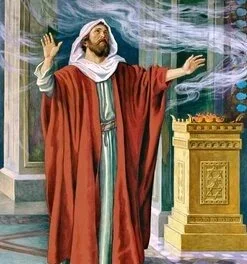
Isaiah’s Call (Isaiah 6)
Isaiah encounters God’s holiness and confesses his unworthiness. God cleanses him before sending him.
This teaches us:
Calling flows from cleansing—not confidence.
The Sign of Immanuel (Isaiah 7–9)
A child is promised; a sign of God’s presence.
“For to us a child is born…”
Hope enters history quietly but powerfully.
The Suffering Servant (Isaiah 52–53)
This is the emotional and theological heart of Isaiah.
The Servant:
suffers willingly
bears sin
brings healing
is crushed yet victorious
This passage unmistakably points to Christ.
Comfort for the Exiles (Isaiah 40)
“Comfort, comfort My people…”
God promises renewal, strength, and return.
The New Creation (Isaiah 65–66)
Isaiah ends not with exile, but with hope of restoration and renewal.
5. How Isaiah Points to Jesus
Isaiah is quoted constantly in the New Testament.
Virgin birth
Light to the nations
Healing ministry
Suffering Servant
King of peace
Jesus fulfills Isaiah’s vision completely:
holy yet compassionate
righteous yet merciful
suffering yet victorious
Isaiah gives us language to recognize the Messiah when He arrives.
6. Common Misunderstandings About Isaiah
❌ “Isaiah is only about judgment”
Judgment clears the way for hope.
❌ “The Old Testament God is harsh”
Isaiah reveals deep compassion and patience.
❌ “Prophecy is only future-focused”
Isaiah addresses present injustice and future salvation.
7. Why Isaiah Matters Right Now
Isaiah feels urgently relevant:
When injustice is normalized → Isaiah confronts it
When worship becomes hollow → Isaiah exposes it
When hope feels thin → Isaiah restores it
When the world feels broken → Isaiah promises renewal
This book reminds us:
God sees, God speaks, and God saves.
8. How to Read Isaiah Without Getting Overwhelmed
Read it in sections, not all at once
Watch the shift between judgment and comfort
Let imagery shape understanding
Read it alongside the Gospels
Helpful prayer:
“Holy God, show me where I need cleansing—and where I need hope.”
9. A Devotional Reflection
Isaiah teaches us that holiness is not meant to push us away, but to draw us closer through repentance and grace. God does not deny the depth of human sin. But He also refuses to abandon humanity to it.
If you are wrestling with the state of the world, the Church, or your own heart, Isaiah speaks this steady truth:
God is still holy. God is still speaking. And God is still saving.
10. Prayer
Holy and Merciful God,
Reveal Your holiness and cleanse our hearts. Expose injustice and heal what is broken. Anchor our hope in the promise of Your Savior. Make us a people who reflect Your light to the nations.
Amen
