

The Bible: Book #14 What It Says, Why It Matters, & How to Live It
2 Chronicles
Revival, Reform, and the Last Call Before Exile
Second Chronicles is the book of second chances.
Where 1 Chronicles restores identity after exile by remembering the past, 2 Chronicles walks us through how revival was repeatedly offered before collapse ever came. This book is not primarily about kings, it’s about how God responds when people humble themselves.
2 Chronicles asks a searching, hopeful question:
What happens when God’s people turn back to Him, again and again, before it’s too late?
1. What 2 Chronicles Is About (The Big Picture)
Author: Traditionally attributed to Ezra or a post-exilic priestly historian
Audience: Israelites returning from Babylonian exile
Setting: From Solomon’s reign to Judah’s fall
Second Chronicles retells Judah’s history with a clear purpose:
to show how revival happens
to highlight the power of repentance
to explain why exile ultimately came
to prove God’s mercy was extended many times
Unlike Kings, Chronicles focuses almost exclusively on Judah, the line of David, because hope still flows through that covenant.
2. What 2 Chronicles Reveals About God
Second Chronicles reveals a God who is:
Responsive — hearing repentance and prayer
Merciful — delaying judgment again and again
Faithful — honoring covenant promises
Holy — unwilling to tolerate ongoing rebellion
Persistent — calling His people back until the very end
This book makes one truth unmistakable:
Judgment is never God’s first move.
3. Major Themes in 2 Chronicles (Extended)
1. Revival Begins With Humility
Whenever leaders humble themselves, God responds.
2. Leadership Shapes Spiritual Climate
The king’s posture toward God influences the nation’s health.
3. God Honors Repentance
Even flawed repentance invites mercy and restoration.
4. God Sends Warnings Before Consequences
Prophets are sent repeatedly, mercy always precedes judgment.
5. There Is a Point of No Return
Persistent rejection eventually leads to exile.
4. Key Movements You Need to Understand
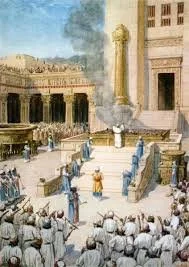
Solomon’s Glory and Prayer (2 Chronicles 1–7)
Solomon builds the Temple and prays a powerful dedication prayer.
God responds with one of the most quoted promises in Scripture:
“If My people who are called by My name humble themselves…”
This sets the spiritual framework for the entire book.
The Rise and Fall of Kings (2 Chronicles 8–20)
Some kings lead faithfully. Others compromise.
The pattern becomes clear:
obedience brings peace
pride invites trouble
Jehoshaphat’s reign stands out for prayer-led leadership.
Hezekiah’s Revival (2 Chronicles 29–32)
Hezekiah restores worship, reopens the Temple, and calls the nation back to God.
This revival shows:
it’s never too late to return
obedience can reverse decline
joy follows repentance
God delivers Judah miraculously.
Manasseh’s Redemption (2 Chronicles 33)
Manasseh is one of the most evil kings, yet his repentance brings restoration.
This chapter proves:
No one is beyond God’s mercy while repentance is possible.
Josiah’s Reform (2 Chronicles 34–35)
Josiah rediscovers the Book of the Law and leads national reform. But even sincere reform cannot fully undo generations of rebellion.
Judah’s Fall (2 Chronicles 36)
The book ends with exile, but not silence. The final verses point forward to restoration, preparing the way for return.
5. How 2 Chronicles Points to Jesus
Second Chronicles emphasizes:
David’s covenant
the Temple
repentance
restoration
All of these find fulfillment in Christ:
Jesus as Son of David
Jesus as the true Temple
Jesus as the call to repentance
Jesus as the source of restoration
Where kings failed, Christ succeeds completely.
6. Common Misunderstandings About 2 Chronicles
❌ “Revival is emotional hype”
Revival in Chronicles is marked by repentance, obedience, and worship.
❌ “Judgment came without warning”
God warned Judah for generations.
❌ “Reform failed, so it was pointless”
Reform delayed judgment and revealed God’s mercy.
7. Why 2 Chronicles Matters Right Now
2 Chronicles feels incredibly relevant today:
When culture drifts → God still invites repentance
When leaders humble themselves → God responds
When revival feels impossible → history says otherwise
When consequences loom → repentance still matters
This book reminds us:
God responds to humility faster than we expect.
8. How to Read 2 Chronicles With Discernment
Watch how prayer changes outcomes
Notice repeated calls to repentance
Pay attention to God’s patience
Read it as a warning and an invitation
Helpful prayer:
“God, humble my heart before discipline becomes necessary.”
9. A Devotional Reflection
Second Chronicles teaches us that revival is always available, but never automatic. God stands ready to heal, restore, and forgive. But He will not force repentance.
If you’re praying for renewal, personally, spiritually, or nationally, this book whispers hope:
It’s not too late to turn back. Humility still opens heaven. And God still responds to repentance.
10. Prayer
Merciful God,
Humble our hearts before pride hardens them. Help us return to You before discipline is required. Restore worship, obedience, and reverence among Your people. Heal our land as we seek Your face.
Amen
