

Is the War With Iran a Sign of the End Times?
Why Christians Should Be Careful About Trying to “Trigger” Revelation
Over the past few weeks, something unusual has happened. As tensions between Israel, the United States, and Iran have escalated, a growing number of voices, both political and religious, have begun using end-times language to describe the conflict.
Some commentators claim this could be the beginning of Armageddon. Others have gone further, suggesting war in the Middle East could help bring about the return of Christ. And this raises a serious question Christians need to wrestle with: Are believers called to watch prophecy unfold… or attempt to bring it about?
The answer matters more than many realize.
The Temple Question
A key issue tied to end-times speculation is the Third Temple. According to many interpretations of biblical prophecy, a future temple will exist in Jerusalem during the events leading up to Christ’s return.
The challenge? The site where the ancient Jewish temples once stood, the Temple Mount, is currently home to the Al-Aqsa Mosque, one of Islam’s holiest sites.
Because of this, discussion about rebuilding the temple is one of the most explosive topics in global politics. Some political and religious leaders have even publicly suggested that rebuilding the temple could be possible in the future.
For Christians who study prophecy, the temple often becomes part of the conversation about the end times. But here is where caution is needed.
The Bible Warns Against Forcing God’s Timeline
Throughout Scripture, one theme appears again and again: God controls the timeline of redemption.
Jesus said clearly:
“But concerning that day and hour no one knows, not even the angels of heaven, nor the Son, but the Father only.”
— Matthew 24:36
In other words: The return of Christ is not something humans can schedule, engineer, or accelerate. God has already set the time. History will unfold according to His plan, not ours.
The Danger of “Prophecy Manipulation”
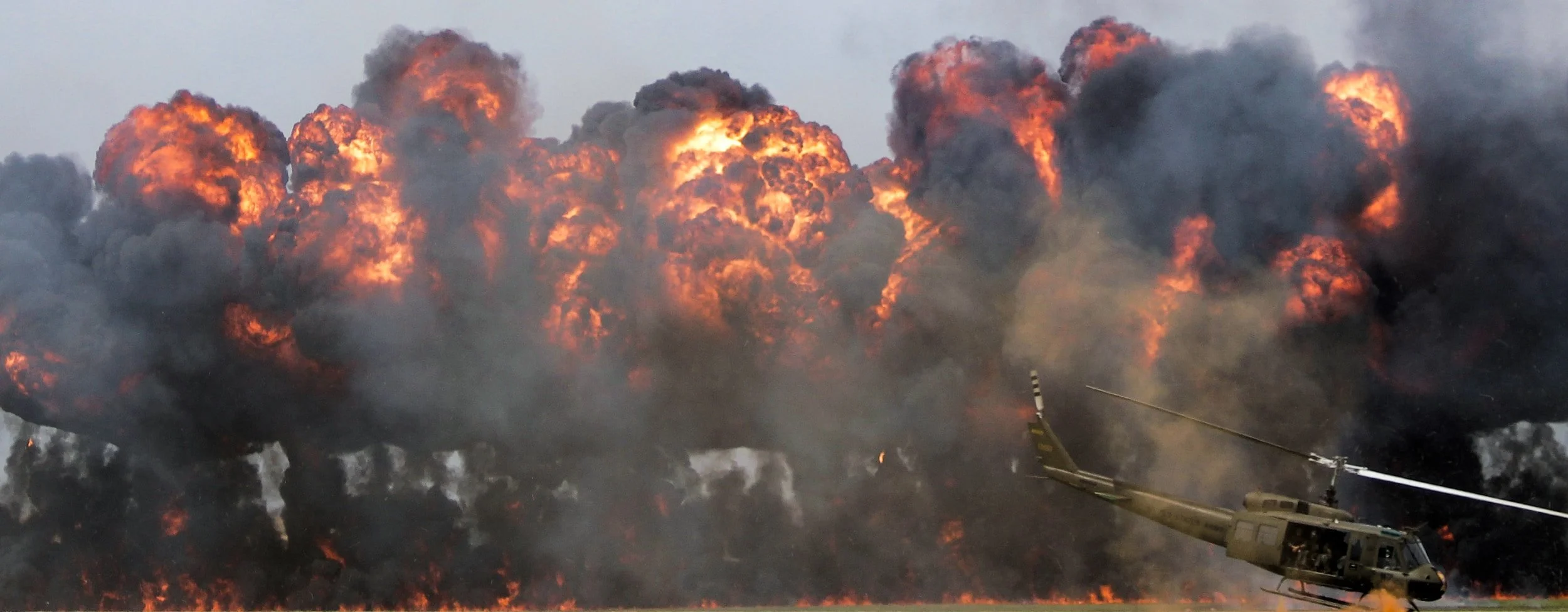
Some theologians warn that certain political movements mix biblical prophecy with geopolitical goals, especially regarding Israel and Iran. This can create a dangerous mindset where believers begin thinking: “If certain events happen… prophecy will be fulfilled faster.”
But Scripture never commands Christians to trigger prophecy. Instead, the New Testament repeatedly tells believers to:
• preach the gospel
• live holy lives
• remain watchful
• care for the suffering
• make disciples
The mission of the Church is not to engineer global conflict. It is to proclaim salvation.
What the Bible Actually Says About War
Wars in the Middle East often cause Christians to immediately open the books of:
• Ezekiel
• Daniel
• Revelation
And there are passages that mention nations like Persia (modern-day Iran) in prophetic contexts. But interpreting those passages requires humility. History is filled with moments where Christians believed a particular war must be the final battle. World War I. World War II. The Cold War. Every generation has thought the end was arriving in their lifetime. And yet Christ has not returned, yet.
Watching Without Manipulating
Jesus did not tell believers to manufacture the end of history. He told them to watch faithfully.
“Therefore stay awake, for you do not know on what day your Lord is coming.”
— Matthew 24:42
Watching means:
• studying Scripture carefully
• praying for peace
• discerning cultural events
• refusing fear or speculation
But it does not mean trying to push history toward catastrophe. Christians should never desire war simply because they believe it might fulfill prophecy. War always means suffering. Loss. Families destroyed. Lives taken.
The Temple That Matters Most
One more truth is often overlooked in these discussions. In the New Testament, something radical happens. The focus of God’s presence shifts.
Paul writes:
“Do you not know that you are God’s temple and that God’s Spirit dwells in you?”
— 1 Corinthians 3:16
Through Christ, the people of God become the place where His Spirit dwells. That reality changes how believers think about sacred space. The ultimate hope of Scripture is not merely a rebuilt temple in Jerusalem. It is something far greater.
The Final Temple
At the end of the Bible, Revelation describes the restored creation. And something surprising appears in that vision.
John writes:
“And I saw no temple in the city, for its temple is the Lord God the Almighty and the Lamb.”
— Revelation 21:22
In the end, the temple is not a building. It is the presence of God Himself.
A Final Warning for Christians
Christians should absolutely study prophecy. We should take Scripture seriously. But we should also remember: The goal of the gospel is not destruction. It is redemption.
The kingdom of God grows through repentance, faith, and transformed lives, not through human attempts to ignite the final battle.
So instead of asking: “How do we bring about the end?”
The better question is: “How do we faithfully live until Christ returns?”
Because the mission Jesus gave the Church is still the same:
“Go therefore and make disciples of all nations.”
— Matthew 28:19
And that mission continues until the day He comes.
