

The Pattern of the Wilderness
Why God Always Develops You Before He Delivers You
If you’ve ever found yourself in a season that feels confusing, slow, lonely, or unproductive, you might be in what the Bible calls the wilderness.
Not lost. Not abandoned. Not forgotten. Prepared. The wilderness is one of God’s most consistent tools for shaping His people and almost every major figure in Scripture went through it.
Before the breakthrough comes the desert. Before the promise comes the pressure. Before the platform comes the process.
Let’s talk about why.
What Is a “Wilderness Season” in the Bible?
In Scripture, the wilderness is both a real place and a spiritual pattern.
It represents seasons of:
Waiting
Uncertainty
Dependence
Testing
Isolation
Refinement
It’s where comforts are stripped away and trust is built. It’s where God does His deepest work, quietly.
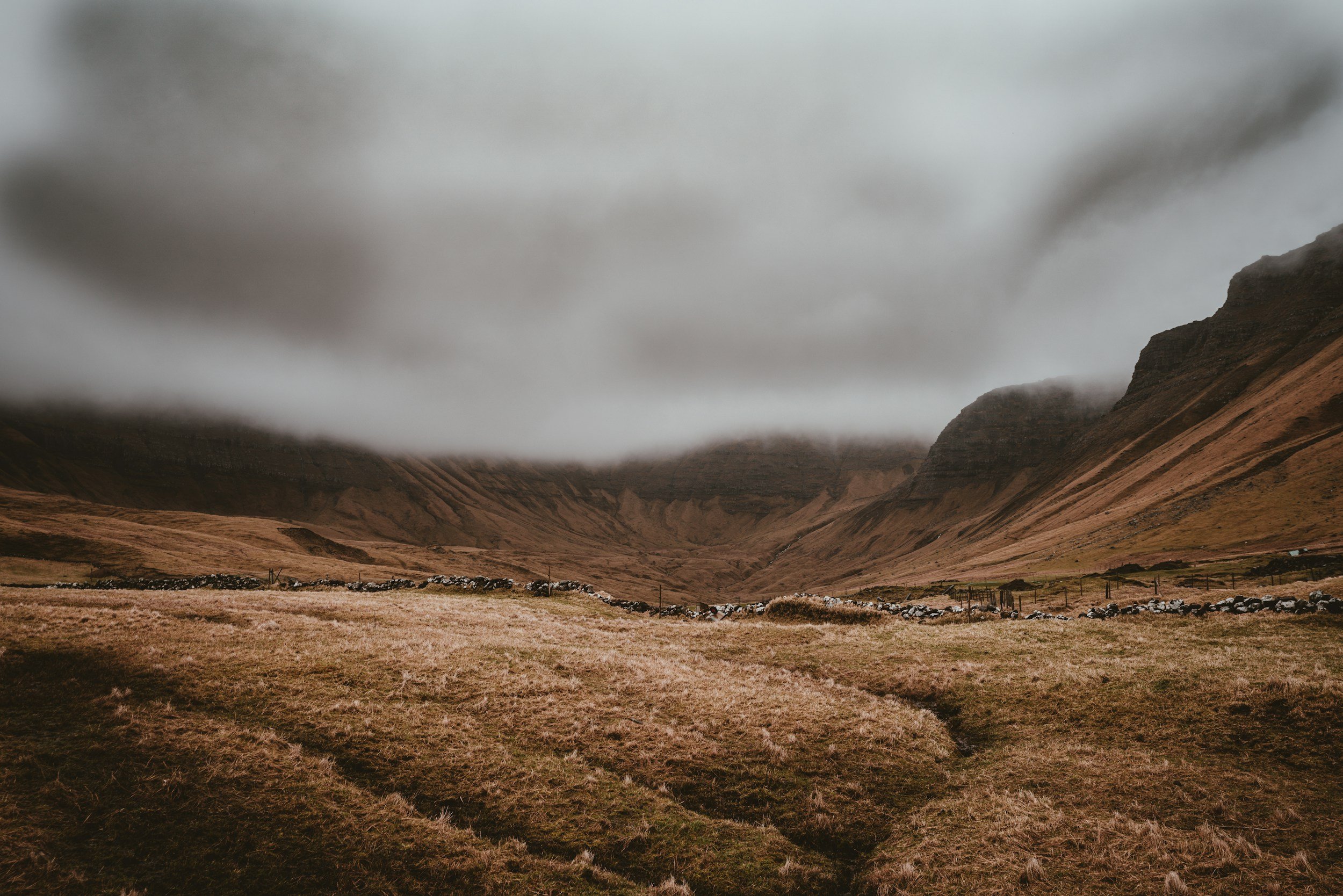
Israel: From Slavery to Promise… Through the Desert
Exodus 16–17
After God rescued Israel from Egypt, you would expect the journey to be quick and joyful. Instead, they wandered in the wilderness for 40 years. Why?
Because freedom from Egypt didn’t mean freedom from Egypt in their hearts. They were saved, but not yet transformed.
In the wilderness, God taught them:
How to depend on daily provision (manna)
How to trust His leadership (cloud and fire)
How to obey without constant proof
How to worship instead of complain
The wilderness exposed what slavery had planted in them. And God patiently uprooted it.
David: Anointed King… Then Sent to Hide
1 Samuel 16–24
David was anointed as king while still a teenager. God chose him. God confirmed him. God promised him a throne. And then… Nothing happened.
Instead of a crown, David got caves. Instead of honor, he got hunted. Instead of ruling, he ran for his life. For years. Why would God anoint someone and delay their calling? Because gifting without character is dangerous.
In the wilderness, David learned:
Humility
Patience
Mercy (when he spared Saul)
Dependence on God
Leadership without authority
By the time David reached the throne, he was ready to carry it.
Jesus: Tested Before Ministry
Matthew 4
Even Jesus went through the wilderness. After His baptism, before His public ministry, the Spirit led Him into the desert for 40 days. No crowds. No miracles. No recognition. Just fasting, prayer, and temptation. Why? Because spiritual authority is forged in private before it’s displayed in public.
Jesus faced:
Hunger
Isolation
Satan’s lies
Pressure to shortcut God’s plan
And He overcame, through Scripture and obedience. If Jesus needed wilderness preparation… So do we.
.
Why God Uses the Wilderness So Often
The wilderness is uncomfortable, but intentional. Here’s what God accomplishes there:
1. He Breaks Our Dependence on Comfort
In comfortable seasons, we rely on:
Money
Routines
People
Stability
Control
In the wilderness, those things are shaken. So we learn to rely on Him. Not as a backup. As our source.
2. He Reveals What’s in Our Hearts
Pressure reveals what peace hides. In the wilderness, we see:
Our impatience
Our fears
Our idols
Our pride
Our insecurities
Not to shame us. To heal us. God can’t change what we won’t acknowledge.
3. He Teaches Us to Hear His Voice
When life is loud, God’s voice is easy to ignore. In the wilderness, distractions are removed.
We learn:
How God speaks to us
How to discern His leading
How to wait for His direction
How to obey quietly
These are lifelong skills.
4. He Builds Spiritual Endurance
Wilderness seasons stretch us. They teach us how to keep trusting when:
Prayers seem unanswered
Progress feels slow
Results are invisible
Hope feels fragile
Faith that survives the wilderness is resilient. It doesn’t collapse under pressure.
The Temptation to Leave Too Soon
One of the biggest dangers in wilderness seasons is trying to escape early.
We look for:
Shortcuts
Substitutes
Distractions
Emotional numbing
Control tactics
Like Sarah trying to “help” God. Like Israel longing for Egypt. Like Peter relying on his own strength.
We’d rather have quick relief than deep growth.mBut unfinished wilderness leads to repeated lessons. God won’t waste your pain. But He also won’t rush your process.
Signs You’re in a Wilderness Season
You might be in one if:
You feel spiritually dry but still hungry for God
Progress feels stalled
Old habits are being confronted
God is emphasizing obedience over excitement
You’re learning patience the hard way
You’re being stripped of self-reliance
This isn’t failure. It’s formation.
What to Do While You’re There
The wilderness isn’t about surviving. It’s about learning. Here’s how to walk through it well:
1. Stay in the Word
Jesus fought temptation with Scripture. So should we. God’s Word keeps you grounded when emotions lie.
2. Keep Showing Up
Faithfulness in small things matters. Pray even when it feels dry. Read even when it feels boring. Trust even when it feels pointless. Growth is happening underground.
3. Be Honest With God
Read the Psalms. David complained. Questioned. Cried. Wrestled. God can handle your honesty. Bring it to Him, not away from Him.
4. Don’t Compare Timelines
Your process is yours. Someone else’s breakthrough doesn’t mean you’re behind. God works individually.
5. Look for What God Is Teaching You
Ask:
“Lord, what are You forming in me here?”
Patience?
Humility?
Confidence?
Discernment?
Surrender?
He’s always working on something.
Why the Wilderness Is Worth It
Here’s the truth most people miss: The wilderness is where intimacy with God is built. When everything else is gone, you discover: He is enough. Not just in theory. In reality. Those who walk with God in the wilderness know Him differently. Deeper. Stronger. More personally.
From Wilderness to Promise
Every biblical wilderness leads somewhere.
Israel → Canaan
David → Throne
Jesus → Ministry
Joseph → Leadership
Moses → Deliverance
Your season has an ending too. God has not forgotten you. He is forming you.
Final Encouragement
If you’re in a hard, quiet, confusing season… You are not wasting time. You are being prepared.
God develops before He delivers. He strengthens before He sends. He refines before He reveals. And when the promise comes, you’ll be ready to carry it.
