

Charlie Kirk and Turning Point USA: What Was Happening Before His Death?
There is something dangerous about asking questions after a tragedy. But there is also something dangerous about deciding certain questions are forbidden.
Since Charlie Kirk was assassinated on September 10, 2025, the internet has become flooded with theories about what really happened. Some are based on legitimate pieces of information. Some take real information and make enormous leaps from it. And some appear to have little evidence behind them at all. But buried underneath the conspiracy theories is a story that deserves considerably more attention:
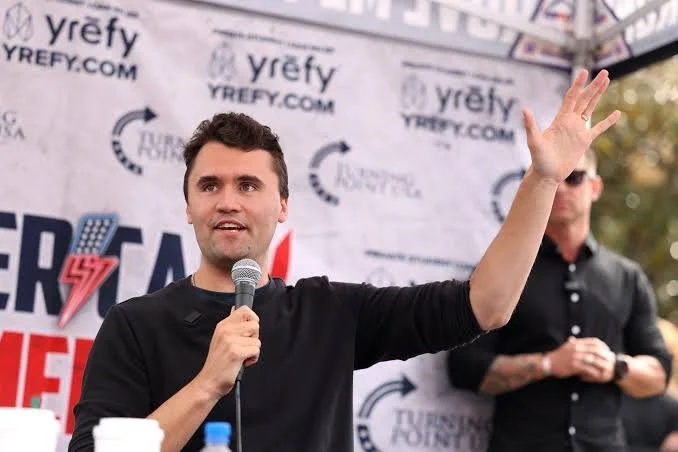
What was happening in Charlie Kirk’s world before he died?
Because the picture that emerged after his death was more complicated than the one many Americans initially saw. Charlie Kirk wasn’t simply traveling from campus to campus peacefully running Turning Point USA while everything behind the scenes remained perfectly stable.
He was leading an enormous political organization. Millions of dollars were involved. Powerful donors were involved. The Republican Party was involved. Israel had become an increasingly divisive subject within the conservative movement. Tucker Carlson had become controversial among some of Charlie’s supporters. Candace Owens had become even more controversial.
And according to private messages later confirmed as authentic by Turning Point USA, Charlie was experiencing significant pressure from donors shortly before his death.
That doesn’t prove a conspiracy. It doesn’t prove his murder had anything to do with Turning Point USA. It doesn’t prove a donor was involved. And it certainly doesn’t prove Israel was involved. But those facts matter. And Christians should never be afraid of facts.
So rather than beginning with a theory and searching for evidence that confirms it, let’s do something different. Let’s begin with what we can actually establish.
First, Understand How Powerful Turning Point USA Had Become
It is easy to think of Turning Point USA as simply the organization Charlie Kirk started to get conservative students involved on college campuses.
That description became increasingly inadequate. By the time of Charlie’s death, TPUSA had developed into an enormous conservative political and cultural operation. Its fundraising illustrates just how dramatically it had grown.
According to reporting based on tax filings, TPUSA reported approximately $85 million in revenue in 2024, compared with roughly $39 million in 2020. Other analyses of the organization have documented hundreds of millions of dollars raised over its history. And much of that money did not necessarily come from ordinary people sending twenty-dollar donations.
Major conservative donors and donor-advised funds had poured millions into the organization. That doesn’t make TPUSA corrupt. Large nonprofit organizations have large donors. But it does establish something important: Charlie Kirk wasn’t operating a little Christian conservative ministry.
He was sitting at the center of an organization involving enormous amounts of money, political influence and donor relationships. And donor relationships matter because something happened shortly before Charlie died that later became public.
Charlie Was Having Problems With Some Donors
This part isn’t merely internet speculation. Private messages attributed to Charlie surfaced after his death. Turning Point USA spokesperson Andrew Kolvet subsequently confirmed that the messages were authentic. And what Charlie reportedly said deserves to be read carefully.
Charlie said TPUSA had lost a donor worth approximately $2 million annually because the organization would not cancel Tucker Carlson. He was angry. And he believed donors were attempting to pressure him politically.
Charlie wrote that he felt he was being bullied. He also expressed frustration toward Jewish donors specifically and suggested the pressure was making him reconsider his relationship with the pro-Israel movement.
Those words are uncomfortable.
They should also be discussed responsibly. Charlie wasn’t saying, “Israel is my enemy.” He wasn’t announcing that he had abandoned Israel. And nothing contained in those messages demonstrates that the Israeli government, or Jewish people generally, had anything whatsoever to do with his death.
But the messages do reveal something important: There was genuine conflict happening behind the scenes. And apparently serious money was involved.
That distinction matters. Because saying: “Charlie was experiencing donor pressure over Israel and Tucker Carlson.” is supported by evidence.
Saying: “Those donors had Charlie killed.” is an entirely different claim for which credible evidence has not been established.
We cannot jump from the first statement to the second simply because the second makes a more dramatic story.
The $2 Million Question
The figure deserves attention. Two million dollars. Per year.
According to reporting after Charlie’s death, billionaire businessman Robert Shillman became angry over Tucker Carlson’s participation in a Turning Point event and withdrew a planned multimillion-dollar contribution.
Again: That doesn’t implicate Shillman in Charlie’s murder. It tells us something else.
It tells us how much influence could potentially accompany relationships between TPUSA and its largest financial supporters. Imagine running an organization and receiving this message: Change your speaker—or lose millions of dollars.
Now imagine believing the speaker shouldn’t be removed. What do you do?
That’s not necessarily evidence of corruption. That’s the reality many donor-funded organizations encounter. But it raises an important question Christians should be willing to ask about every political organization: When someone funds your platform, how much influence do they eventually gain over what you’re allowed to say?
Charlie apparently didn’t like the answer he was discovering.
Then There Was Tucker Carlson
Tucker Carlson had become increasingly critical of Israel and American involvement overseas. That placed Charlie in an increasingly uncomfortable position. Charlie remained broadly supportive of Israel. But parts of the conservative movement were fracturing badly over the issue.
One side believed supporting Israel remained a fundamental conservative, and often Christian, position. Another increasingly influential faction believed America’s relationship with Israel deserved much more scrutiny.
Charlie found himself standing between those worlds. And Tucker wasn’t some random podcast guest. He was one of the largest voices in conservative media. Removing him would create enormous backlash. Keeping him apparently risked donor money.
According to Charlie’s private messages, he chose not to cancel Tucker. And money disappeared. That is a documented disagreement. What we cannot responsibly do is transform a donor disagreement into evidence of murder.
And Then Charlie Mentioned Candace Owens
This is where the story becomes even more complicated. In those same private conversations, Charlie reportedly floated the idea of inviting Candace Owens. Someone participating in the conversation responded negatively.
Another message reportedly said: “Please don’t invite Candace.”
That is fascinating in hindsight because Candace would later become perhaps the loudest public figure questioning the official account of Charlie’s assassination. But again: Interesting isn’t synonymous with incriminating.
Charlie and Candace had a complicated history. She had previously worked with Turning Point USA. Their political relationship had fractured. Her increasingly aggressive criticism of Israel created additional distance between her and many establishment conservative figures.
Yet shortly before Charlie’s death, he apparently considered bringing her back into the conversation.
Why? Was Charlie reconsidering some of his positions? Was he simply refusing to allow donors to determine who could appear on his platform? Was it frustration? Was he attempting to bridge the growing divide on the right?
We don’t know. And “we don’t know” is sometimes the most truthful sentence available.
Was Charlie Changing His Views on Israel?
This question has become central to many theories surrounding his death. And the answer requires nuance. Charlie Kirk did not suddenly become anti-Israel. Publicly available evidence does not support that characterization. But there is evidence that his relationship with the subject was becoming more complicated.
His private messages show frustration with pro-Israel donors. He reportedly resisted pressure surrounding Tucker Carlson. And reporting after his death revealed additional communications demonstrating frustration surrounding Israel and its supporters.
That means two statements can simultaneously be true: Charlie remained broadly supportive of Israel. And Charlie was becoming increasingly frustrated with some pro-Israel political and donor pressure.
Those ideas aren’t contradictory. People can support a country while criticizing its government. People can support Israel while questioning American foreign policy. People can believe Israel has a right to exist while believing donors shouldn’t determine who is allowed to speak. And Christians especially should resist turning Israel into a subject where asking political questions automatically becomes a theological betrayal.
Biblical Israel and the modern government of Israel are related historically, but they are not interchangeable concepts. A Christian can believe God’s Word and still examine the actions of modern governments. Including Israel. Including America.
So Why Did These Messages Matter So Much After Charlie Died?
Because timing changes how people interpret information. Imagine these messages had become public while Charlie was alive. The headline probably would have been something like: Charlie Kirk Furious After Major Donor Pulls Funding Over Tucker Carlson.
There would have been conservative infighting for three days. Then the internet would have moved on. But Charlie was murdered.
Suddenly, every disagreement from his final weeks became potential evidence in people’s minds. Every donor became suspicious. Every argument became a motive. Every uncomfortable message became a clue. That’s understandable psychologically. But it is dangerous evidentially. Because conflict before someone’s death doesn’t automatically identify the person responsible for that death.
Human beings have disagreements constantly. Powerful people have even more. If every person who argued with someone before a murder became a murder suspect, virtually every homicide investigation would have hundreds of suspects. Something more is required. Evidence.
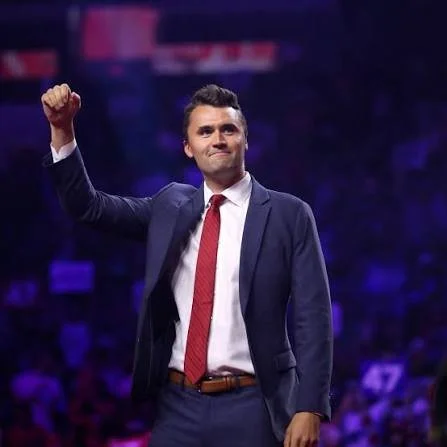
What About Candace Owens’ Claims?
This is where we need to be especially careful. Candace Owens has publicly promoted theories questioning whether Tyler Robinson committed the assassination as prosecutors allege. She has also suggested possible involvement by people connected to Turning Point USA and Israel. Those are extraordinary allegations. And currently, credible evidence establishing those accusations has not emerged.
Meanwhile, prosecutors have presented evidence they say connects Robinson directly to Charlie’s killing, including DNA, video evidence and communications in which Robinson allegedly acknowledged shooting Charlie.
That doesn’t mean every question about the investigation becomes illegitimate. Defense attorneys exist precisely because government evidence should be challenged. Courts exist because accusations must be tested. But there is an enormous difference between saying: “I want this evidence scrutinized.” and “Therefore somebody else orchestrated the murder.”
The first is skepticism. The second requires evidence of its own.
What Happened to TPUSA After Charlie Died?
This is another part of the story worth examining. Charlie Kirk wasn’t merely TPUSA’s founder. He was the public identity of TPUSA.
Removing someone that central from an organization normally creates an enormous leadership crisis.
Instead, succession happened rapidly. On September 18—eight days after Charlie’s assassination—the TPUSA board announced that Charlie’s widow, Erika Kirk, would become CEO and chair of the board.
According to the organization, Charlie had previously expressed that Erika should succeed him if he died. TPUSA subsequently experienced an extraordinary surge of interest.
Tens of thousands of inquiries reportedly came in from people wanting to establish new chapters. Major donors pledged additional money. One longtime supporter pledged $1 million shortly after Charlie’s death. Other donors reportedly discussed doubling their support.
Charlie’s death didn’t destroy Turning Point USA. It arguably made the organization larger. That fact has understandably attracted suspicion online. But we need to say something that conspiracy culture often forgets:
Benefiting from a tragedy does not prove that you caused the tragedy.
Life insurance beneficiaries benefit financially from deaths every day. Companies sometimes rise after founders die. Political movements frequently grow after leaders become martyrs. Churches can grow after persecuted pastors die. None of those facts alone establish culpability.
The appropriate question isn’t: “Who benefited?”
It is: “Is there evidence connecting the person who benefited to the crime?”
Those are very different standards.
What About Claims That TPUSA’s Money Wasn’t Adding Up?
This became another enormous online controversy. People began raising questions about Turning Point USA’s finances. Claims circulated suggesting federal authorities were investigating the organization. Candace Owens encouraged donors to demand refunds. The accusations spread quickly.
Then something happened that received considerably less attention. The Treasury Department reportedly informed Erika Kirk that Turning Point USA was not under Treasury investigation.
According to CBS News, Treasury officials communicated findings contradicting claims circulating about financial wrongdoing. That matters. If we’re going to investigate TPUSA, we don’t get to publish the accusation and ignore evidence contradicting it.
Truth doesn’t belong to whichever narrative we prefer. If evidence makes TPUSA look questionable, we examine it. If evidence clears TPUSA of a particular allegation, we acknowledge that too. That’s what honest investigation requires.
But There Is Still a Bigger Question About TPUSA
And strangely, it has almost nothing to do with Charlie’s murder.
It’s this: How much power should wealthy donors have over Christian political organizations?
That question existed before September 10. It exists after September 10. And it exists far beyond Turning Point USA. Christian organizations constantly face this temptation.
Money arrives. Influence follows. Then someone eventually says: Don’t talk about that. Don’t invite that person. Don’t criticize this. Don’t question that. Don’t upset these donors. And suddenly an organization supposedly committed to truth begins calculating how expensive the truth might become.
Charlie Kirk’s private messages suggest that he was wrestling with some version of that problem. Whatever someone thinks about Charlie politically, that should concern Christians. Because Scripture has something to say about serving two masters.
Jesus said: “Ye cannot serve God and mammon.” — Matthew 6:24
That verse isn’t merely about personal greed. Money can become a master because money can begin determining our decisions. And Christian institutions aren’t immune. Neither are conservative ones. Neither are liberal ones. Neither are churches. Neither are ministries. Neither is Turning Point USA.
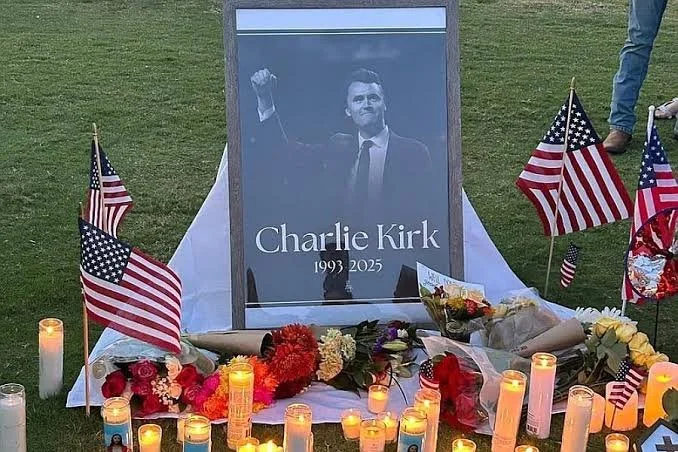
The Question Nobody Should Be Afraid to Ask
What was Charlie Kirk wrestling with during the final months and days of his life? That’s a legitimate historical question.
Were donors pressuring him? Evidence indicates some were.
Was Israel becoming a more difficult issue for him? His private communications suggest greater frustration and complexity than his public reputation sometimes reflected.
Was Tucker Carlson causing problems with donors? Yes.
Was Charlie considering reconnecting publicly with Candace Owens? His messages indicate he at least considered inviting her.
Was TPUSA handling enormous amounts of money? Absolutely.
Did the organization benefit financially and politically after Charlie’s death? Yes.
Does any of that prove TPUSA, Erika Kirk, Israel, Jewish donors, or anyone within Charlie’s political circle murdered him? No. Not remotely. And that’s where we have to draw the line.
Christians Should Ask Questions, But We Should Fear False Accusations Too
There’s a verse I keep returning to while looking at this case.
Proverbs 18:17: “He that is first in his own cause seemeth just; but his neighbour cometh and searcheth him.”
In modern language: The first story sounds convincing. Then somebody cross-examines it.
That’s biblical discernment. Notice what Scripture doesn’t say. Believe authorities automatically. It also doesn’t say: Distrust authorities automatically.
It tells us to examine. There is another biblical command that matters just as much:
“Thou shalt not bear false witness against thy neighbour.”
— Exodus 20:16
Christians cannot demand truth from institutions while spreading allegations about individuals that we cannot prove. That’s hypocrisy dressed up as discernment. If something is strange, say it’s strange. If something is documented, document it. If somebody contradicts themselves, show the contradiction. If evidence doesn’t support a claim, say that too.
And when we don’t know? Say: We don’t know.
The Missing Piece May Not Be a Conspiracy
Perhaps the most uncomfortable possibility is that there isn’t one enormous hidden answer tying every strange detail together.
Maybe Charlie was simultaneously dealing with donor pressure, conservative infighting, enormous financial responsibility, disagreements about Israel, complicated relationships with Tucker Carlson and Candace Owens—and an unrelated man ultimately murdered him.
Or perhaps evidence will emerge that changes our understanding. That’s why criminal trials matter. That’s why evidence matters. That’s why questions matter. And that’s why patience matters. Because Christianity does not give us permission to turn suspicion into truth. Quite the opposite.
We worship Christ, who called Himself the Truth. That means truth shouldn’t frighten us when it challenges the establishment. And truth shouldn’t frighten us when it destroys our favorite conspiracy either. We don’t need to protect Turning Point USA. We don’t need to protect Candace Owens. We don’t need to protect Erika Kirk. We don’t need to protect Tucker Carlson. We don’t need to protect a political party. And we certainly don’t need to protect an internet narrative.
We need to protect our commitment to truth.
So yes. Ask what Charlie was dealing with before he died. Ask why a multimillion-dollar donor was willing to walk away over a speaker. Ask what Charlie really believed about Israel near the end of his life. Ask how much influence donors wield inside organizations like TPUSA. Ask why certain relationships were fracturing. Ask what changed after Charlie died. Ask what Turning Point USA became afterward. But then ask the question that should accompany every single one of them:What evidence would actually prove what I am suggesting?Because questions are not accusations. Coincidences are not evidence. Financial interests are not murder convictions. And suspicion is not truth.
The Christian pursuit of truth requires us to be courageous enough to question powerful institutions, and humble enough to admit when the evidence doesn’t support what we suspected. And there are still more questions to ask.
Next in this series: Erika Kirk—the timeline, the controversies, the accusations, and what the evidence actually tells us.
