

The Bible: Book #12 What It Says, Why It Matters, & How to Live It
2 Kings
Collapse, Consequence, and the God Who Still Speaks
Second Kings is the book people don’t want, but desperately need.
If 1 Kings shows the slow drift, 2 Kings shows where drift leads. Kingdoms fall, cities burn, prophets weep, and exile becomes reality. Yet even here, especially here, God does not go silent.
2 Kings asks a difficult but holy question:
What happens when God’s warnings are ignored for generations?
The answer is sobering, but not hopeless.
1. What 2 Kings Is About (The Big Picture)
Author: Traditionally attributed to prophetic historians (often associated with Jeremiah)
Audience: Israel and Judah, reflecting on exile and loss
Setting: From Elijah’s departure to the fall of both kingdoms
Second Kings continues the divided-kingdom narrative, tracking:
Israel’s collapse to Assyria
Judah’s decline and destruction by Babylon
the prophetic ministries of Elisha and others
God’s repeated calls to repentance
This book explains why exile happened and makes clear that it was not sudden, unfair, or accidental.
2. What 2 Kings Reveals About God
Second Kings reveals a God who is:
Patient — warning again and again
Faithful — keeping His covenant standards
Just — allowing consequences to unfold
Merciful — offering repentance until the very end
Present — working through prophets even in decline
God does not abandon His people easily. Judgment comes only after mercy is exhausted.
3. Major Themes in 2 Kings (Extended)
1. The Power of Influence
Kings shape culture. Leadership choices ripple through generations.
2. God’s Word Is Relentless
Through prophets, God speaks even when ignored.
3. Repentance Delays Judgment
When repentance is genuine, God responds—even late in the story.
4. Miracles Don’t Guarantee Obedience
Signs reveal God’s power, but hearts still choose.
5. Exile Is Discipline, Not Abandonment
God removes His people from the land—but not from His care.
4. Key Movements You Need to Understand
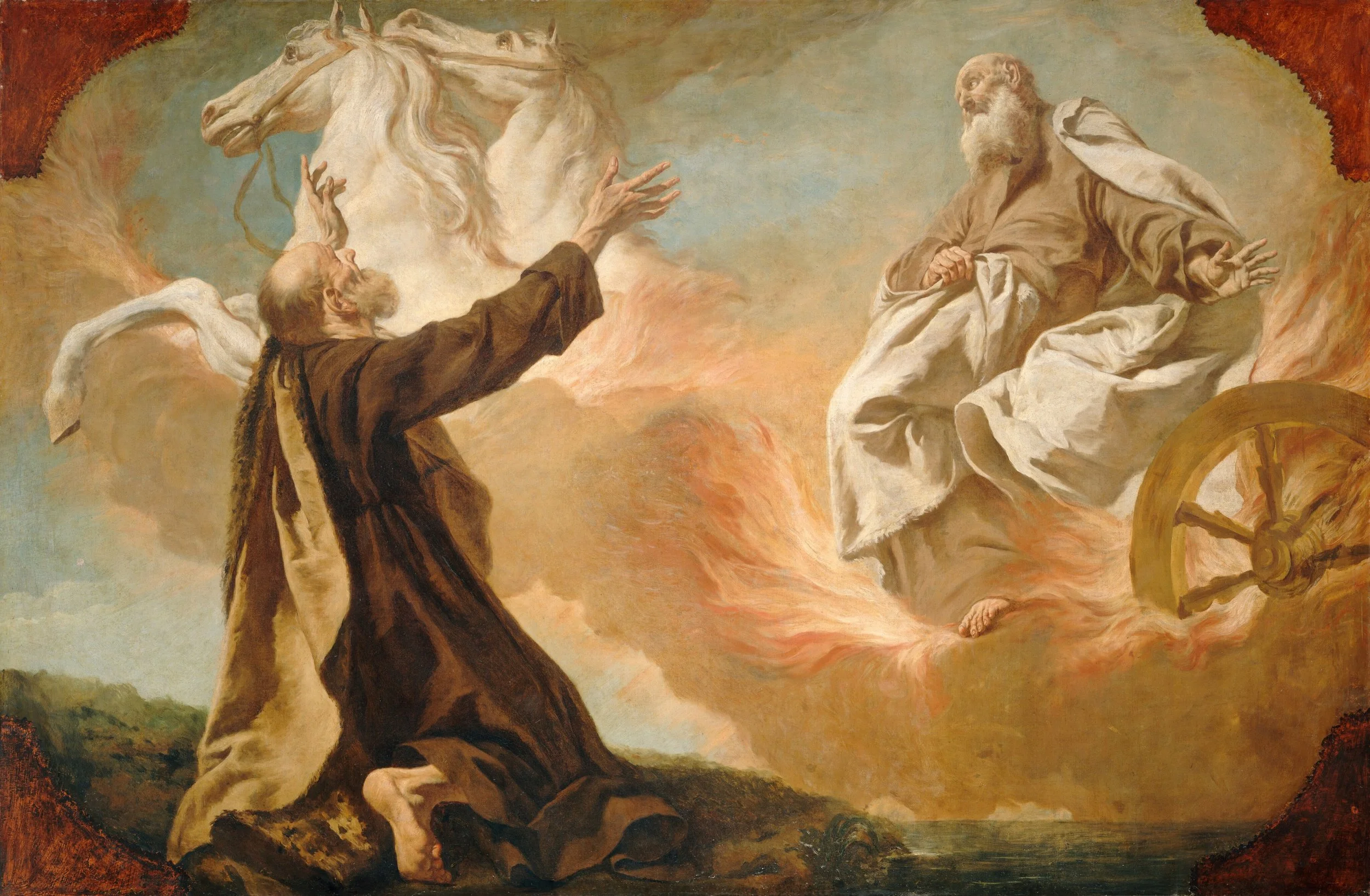
Elijah Taken Up, Elisha Continues (2 Kings 1–2)
Elijah’s departure shows God’s power is not tied to one leader. Elisha receives a double portion, not for fame, but for faithful continuation.
Elisha’s Miracles (2 Kings 3–8)
Elisha’s ministry is marked by compassion:
healing
provision
resurrection
restoration
God shows mercy even while national obedience declines.
The Fall of Israel (2 Kings 17)
This chapter is the theological heart of the book. Israel falls to Assyria after persistent idolatry and rejection of God’s word.
The text is explicit:
This did not happen suddenly and it did not happen unjustly.
Judah’s Last Kings and Final Collapse (2 Kings 18–25)
Judah lasts longer due to David’s covenant—but eventually follows the same path. Even righteous kings like Hezekiah and Josiah cannot reverse generations of disobedience. Jerusalem falls. The Temple is destroyed. The people are exiled. This is the darkest moment in Israel’s history.
5. How 2 Kings Points to Jesus
Second Kings creates a longing nothing else can satisfy.
Prophets → point to a greater Prophet
Failed kings → reveal the need for a perfect King
Exile → highlights separation caused by sin
Temple destroyed → points toward a new dwelling
Jesus fulfills what 2 Kings exposes:
obedience without compromise
leadership without corruption
restoration without exile
Where kings failed, Christ succeeds.
6. Common Misunderstandings About 2 Kings
❌ “God abandoned His people”
God disciplined them, but never stopped pursuing them.
❌ “Judgment means God stopped loving Israel”
Discipline flows from covenant love, not rejection.
❌ “Exile was unavoidable”
Repentance delayed judgment many times.
7. Why 2 Kings Matters Right Now
Second Kings feels uncomfortably relevant:
When truth is ignored → consequences follow
When warnings are mocked → collapse accelerates
When faith becomes performative → substance erodes
When leadership fails repeatedly → systems fall
This book reminds us:
God is patient, but He will not be mocked forever.
8. How to Read 2 Kings Without Losing Hope
Read it as covenant history, not despair
Watch how long God waits before judgment
Notice God’s compassion through prophets
Remember exile is not the end of the story
Helpful prayer:
“God, soften my heart before correction becomes collapse.”
9. A Devotional Reflection
Second Kings teaches us that ignoring truth does not make it disappear.
God’s voice continues:
through warnings
through mercy
through discipline
If you feel like culture, leadership, or faith itself is unraveling, 2 Kings explains why and still whispers hope:
God disciplines to restore. God speaks to rescue. And God is not finished, even in exile.
10. Prayer
Righteous God,
When we ignore Your warnings, bring us back gently but firmly. Help us listen while there is still time to repent. Thank You for speaking even when hearts are hard. Restore what sin and pride have broken.
Amen
