

Revival or Hype?
There’s something powerful about the word revival. It carries weight. Expectation. Hope. Images of people flooding altars. Hours of worship. Lives changed in a moment. And throughout history, there have been real moments where something undeniable happened. But there’s also a question we don’t ask enough: Is every “revival” actually revival? Or are some moments simply… emotional momentum?
What Real Revival Actually Is
Before we look at movements, we need clarity.
Revival is not:
excitement
large crowds
long services
Revival is:
repentance
return to God
renewed obedience
It’s not measured by how people feel in the moment… But by what changes after the moment.
Azusa Street: When Revival Was Raw and Uncontrolled
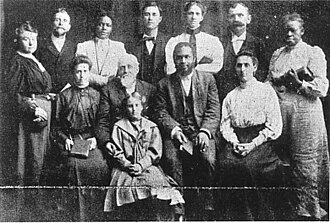
The Azusa Street Revival (1906, Los Angeles) is often pointed to as one of the most significant revivals of the modern era.
Led by William Seymour, it was marked by:
intense prayer
racial unity (rare for the time)
spontaneous worship
reports of spiritual gifts
There was no polished stage. No production. No branding. Just people hungry for God. And the impact spread globally. But even then, there were critics.
Some questioned:
the emotional intensity
the lack of structure
whether everything happening was truly from God
And that tension matters. Because even real movements can include messy expressions.
More recently, the Asbury Revival (2023) brought global attention.
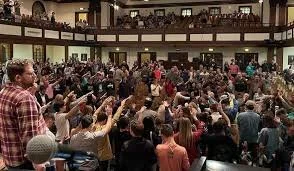
It began with a simple chapel service that didn’t end. Students stayed. Then more came. Then thousands. For days, people gathered for:
worship
prayer
confession
No big-name speakers. No major promotion. Just presence.
Some saw it as genuine revival. Others questioned:
Was it sustainable?
Was it emotional?
What fruit would remain?
And that’s the key question with any revival: What happens after the moment fades?
The Tension: Emotionalism vs. Transformation
Here’s where things get real. Not all emotional experiences are fake. But not all emotional experiences are revival either.
Emotionalism Looks Like:
intense feelings without lasting change
momentary conviction without repentance
chasing experiences instead of pursuing God
True Revival Produces:
repentance that changes behavior
hunger for Scripture
humility, not hype
obedience, not just expression
Why We’re Drawn to Revival Moments
Because they feel like:
breakthrough
renewal
something bigger than ourselves
And there’s nothing wrong with longing for that. But the danger is when we start:
chasing the feeling
recreating the atmosphere
or labeling every emotional moment as “God moving”
The Subtle Shift
Revival can become:
a brand
a trend
a moment to replicate
Instead of a work of God we can’t manufacture. Because real revival is not produced by:
music
lighting
or environment
It’s produced by: God… responding to genuine repentance and hunger.
Why Discernment Matters
If we call everything revival… Then the word loses meaning. And we risk:
validating shallow experiences
ignoring true transformation
confusing emotional highs with spiritual depth
What History Shows Us
Real revivals, when they happen, leave evidence:
lives changed long-term
communities impacted
deeper commitment to truth
Not just moments people remember… But lives that look different afterward.
So How Do You Tell the Difference?
Ask:
Is this centered on God… or the experience?
Is there repentance… or just emotion?
Is Scripture elevated… or secondary?
Is this producing humility… or hype?
Because real revival doesn’t need to prove itself. Its fruit does that over time.
The Bottom Line
Not every powerful moment is revival. And not every quiet moment is absence. God doesn’t move only in crowds. He moves in hearts.
Final Thought
It’s easy to be moved in a moment. It’s harder to be changed for a lifetime. So the real question isn’t: “Did something happen?” It’s: “Did anything actually change?”
Because revival isn’t proven by what you feel in the room… But by how you live when you leave it.
