

Are We Replacing the Creator?
There has never been a time in history where humanity has had this much power. Not just to build. Not just to discover. But to alter life itself. We are no longer just observing creation.
We are:
editing it
enhancing it
attempting to transcend it
And the question we have to ask is not just: “Can we do this?”
But: “Should we?”
The New Frontier: Becoming More Than Human
We’re stepping into a world where science and technology are no longer just tools. They’re becoming transformative forces.
Artificial Intelligence
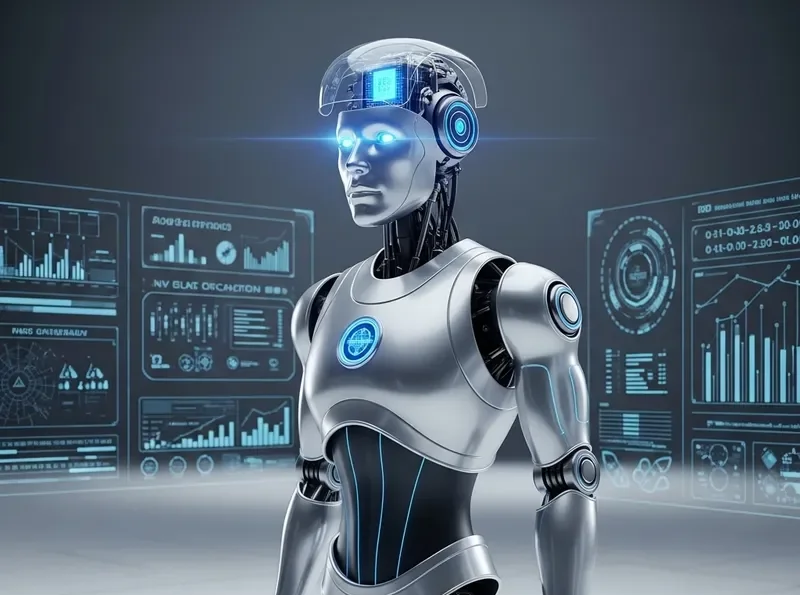
AI is advancing at a speed no previous generation has experienced.
It can:
write
create
analyze
mimic human thought
And in some cases, it’s beginning to feel almost… human. Not alive. But close enough to blur the line.
Gene Editing & CRISPR
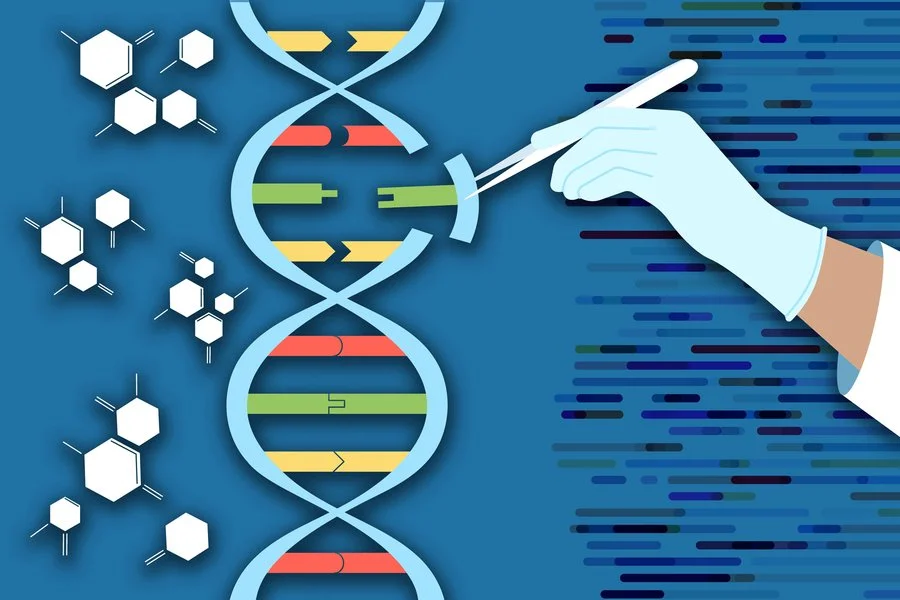
We now have the ability to:
alter DNA
remove diseases
potentially design traits
This isn’t theoretical anymore. It’s happening. The same code that forms life… is now something we can edit.
Transhumanism
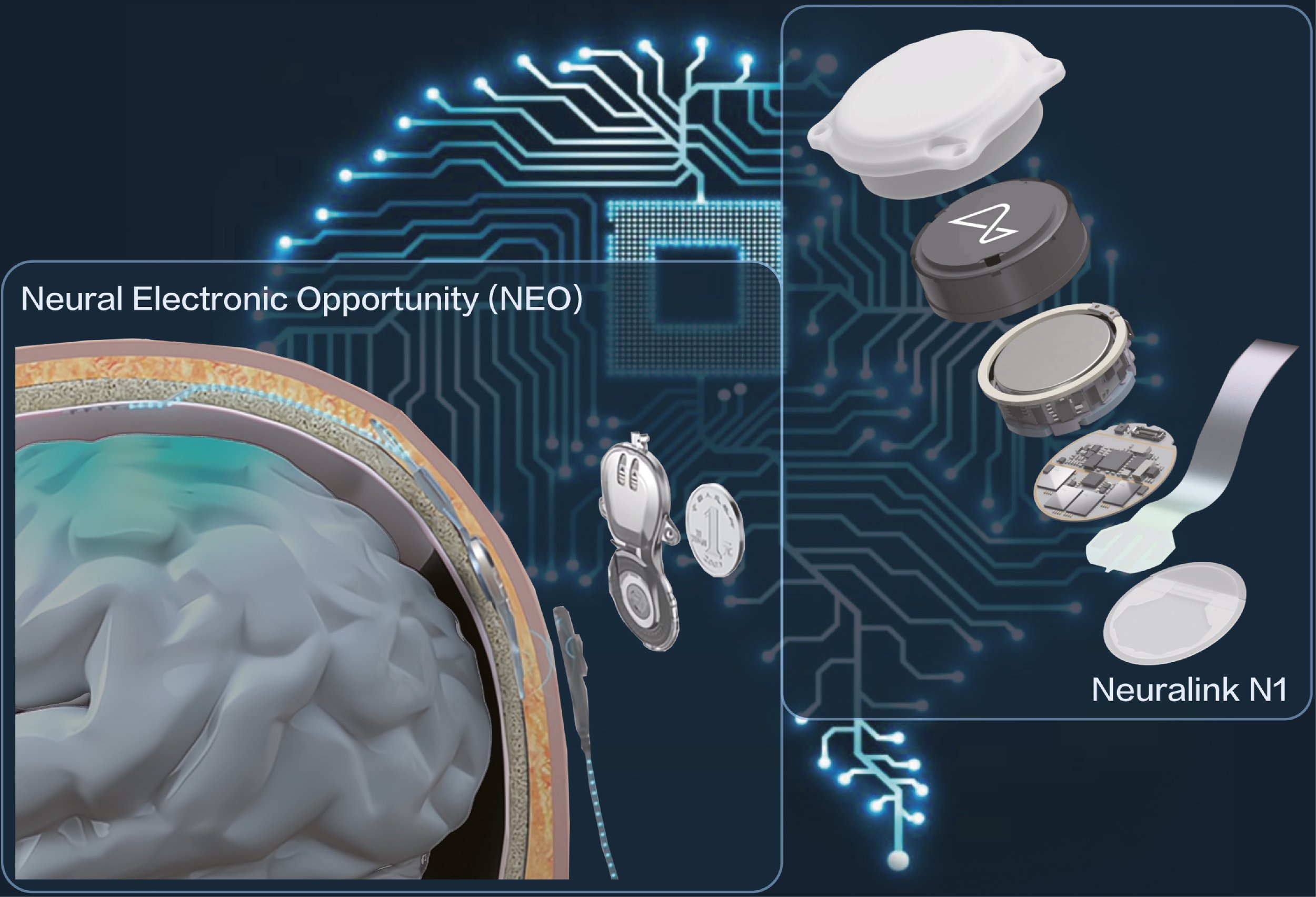
There’s a growing movement with one central idea: Humans can evolve beyond their natural limits.
Through:
technology
implants
digital integration
The goal?
extended life
enhanced intelligence
even digital consciousness
Not just improving life… But redefining what it means to be human.
Where This Gets Spiritually Tense
Because at the center of all of this is a deeper issue: Authority over creation.
Who defines:
life?
identity?
limits?
God… or us?
The Echo of an Old Temptation
This isn’t new. From the very beginning, the temptation was: “You can be like God.” Not in worship. But in control.
deciding what is good
deciding what is right
deciding what is possible
Technology doesn’t create that desire. It amplifies it.
When Advancement Becomes Overreach
Let’s be clear… Not all technology is wrong.
medicine saves lives
innovation improves quality of life
discovery reflects human creativity
But there is a line between: stewarding creation and attempting to replace the Creator
The Subtle Shift Happening
It doesn’t sound like rebellion. It sounds like progress.
“We’re improving humanity”
“We’re eliminating suffering”
“We’re advancing evolution”
And those goals can sound good. But when the underlying belief becomes: “We no longer need limits” That’s where things change.
The Ethical Questions We Can’t Ignore
As these technologies grow, so do the questions:
If we can design life… what determines value?
If we can enhance humans… what happens to those who aren’t?
If we can extend life… what does it mean to die?
If consciousness can be digitized… what is the soul?
These are not just scientific questions. They are spiritual ones.
How Christians Are Responding
Right now, responses fall into a few categories:
1. Full Embrace
Some see technology as:
purely beneficial
morally neutral
an extension of human progress
2. Complete Rejection
Others respond with fear:
rejecting all advancement
assuming all innovation is dangerous
3. Discernment (The Needed Response)
The biblical approach isn’t blind acceptance or total rejection. It’s discernment.
Asking:
Does this align with God’s design for humanity?
Does this honor the dignity of life?
Does this respect limits, or try to erase them?
What Makes Humans… Human?
This is the core issue. If humanity becomes:
editable
upgradeable
transferable
Then identity shifts from: created to constructed
And once humanity is something we design… LIt’s no longer something we receive.
The Danger of Removing Limits
Limits are not flaws. They are part of design.
mortality
dependence
imperfection
These aren’t accidents. They are reminders: We are not God.
The Bottom Line
Technology is not the enemy. But unchecked ambition can be. Because the danger isn’t just what we create… It’s what we begin to believe about ourselves in the process.
Final Thought
The question isn’t: “Will technology advance?” It will.
The question is: “As it does… will we still recognize the difference between Creator and creation?”
Because the moment we stop seeing that distinction clearly… We don’t just risk changing the world. We risk forgetting who we are.
