

Why Christianity Is Always the Punchline
Scroll through almost any popular show or movie, and you’ll start to notice a pattern. Not occasionally. Not subtly. Consistently.
Christianity, when it appears, is often reduced to a joke, a stereotype, or a problem to overcome. And after a while, it raises a real question: Why is Christianity almost always the punchline?
A Pattern You Can’t Unsee
This isn’t about one bad portrayal or one offensive joke. It’s about repetition.
Across genres, comedy, drama, horror, teen shows, the Christian character is rarely thoughtful and grounded, intellectually credible, or quietly faithful. Instead, they’re written as hypocritical, extreme, naïve, or repressed. And when something is portrayed the same way over and over again, it begins to shape how people see it, even if they’ve never experienced it personally.
The Hypocrite Trope: Faith on the Surface, Corruption Underneath
One of the most common portrayals is the “double-life Christian.” Someone who speaks about morality, but lives the opposite.
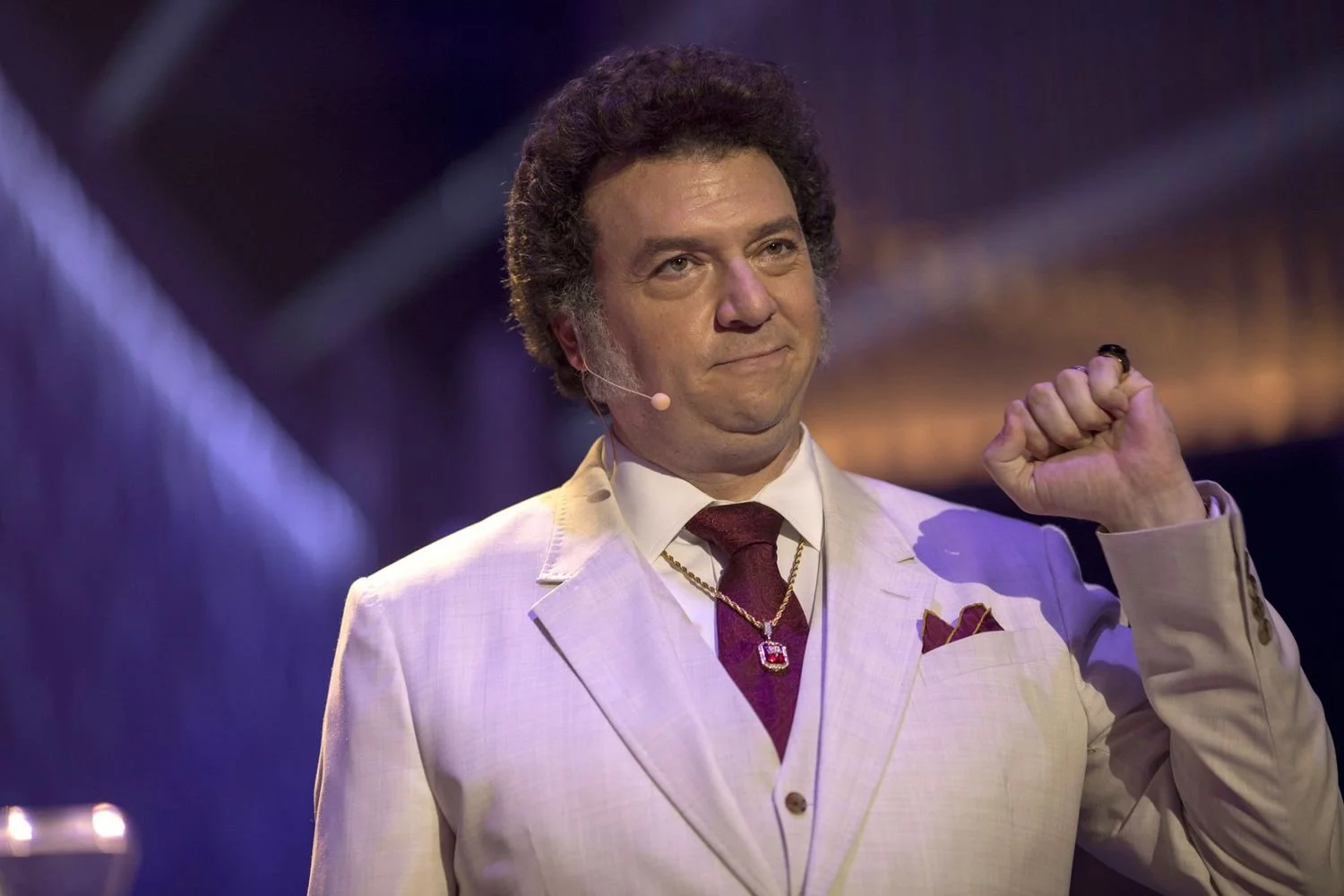
A clear example is The Righteous Gemstones. The show follows a wealthy televangelist family whose public image is built on faith, but whose private lives are filled with greed, manipulation, and scandal.
Now, here’s the tension: Hypocrisy in religious leadership is real. We’ve seen it. But media doesn’t just acknowledge that reality—it often amplifies it until it becomes the defining image of Christianity itself.
Another example is The Simpsons, where Ned Flanders represents an exaggerated, overly rigid, almost cartoonish version of a devout Christian. He’s not malicious, but he’s often portrayed as socially awkward, overly strict, and out of touch.
The message becomes subtle, but clear: Faith makes you either fake… or strange.
The “Anti-Science” Christian
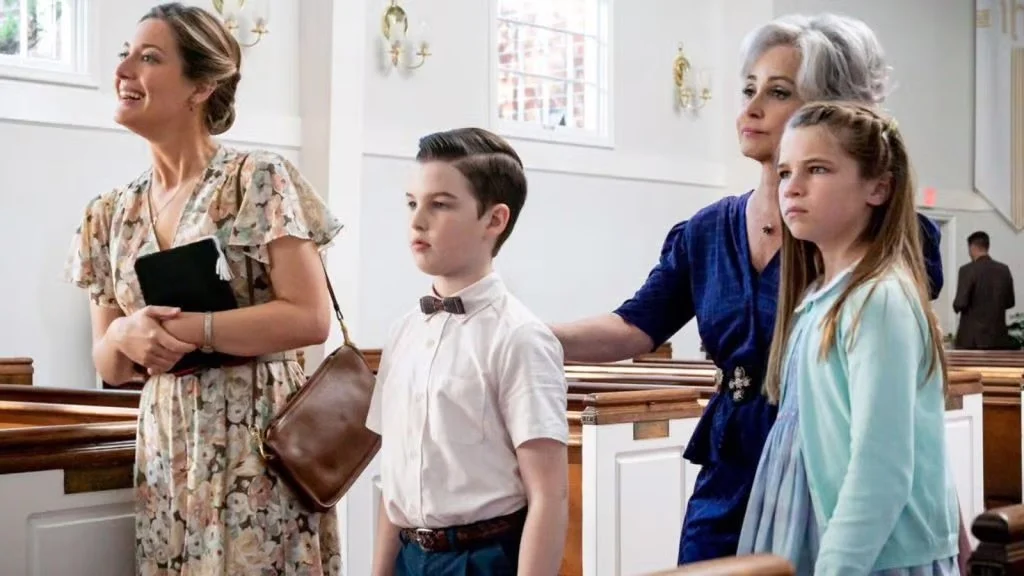
Another recurring stereotype is that Christians are intellectually behind or resistant to science. In Young Sheldon, for example, religious characters are frequently contrasted with Sheldon’s hyper-rational worldview.
Faith is often presented as emotional instead of logical, inherited instead of examined, or rooted in ignorance. The implication? If you’re smart, you move away from faith. If you have faith, you must not be thinking deeply.
What’s missing from that narrative is the reality that many of history’s greatest thinkers, scientists, philosophers, scholars, held deep Christian beliefs. But complexity doesn’t make for easy storytelling. Simplification does.
The “Dangerous Religious Extremist”
Then there’s the more intense portrayal: The Christian as unstable, controlling, or even harmful.
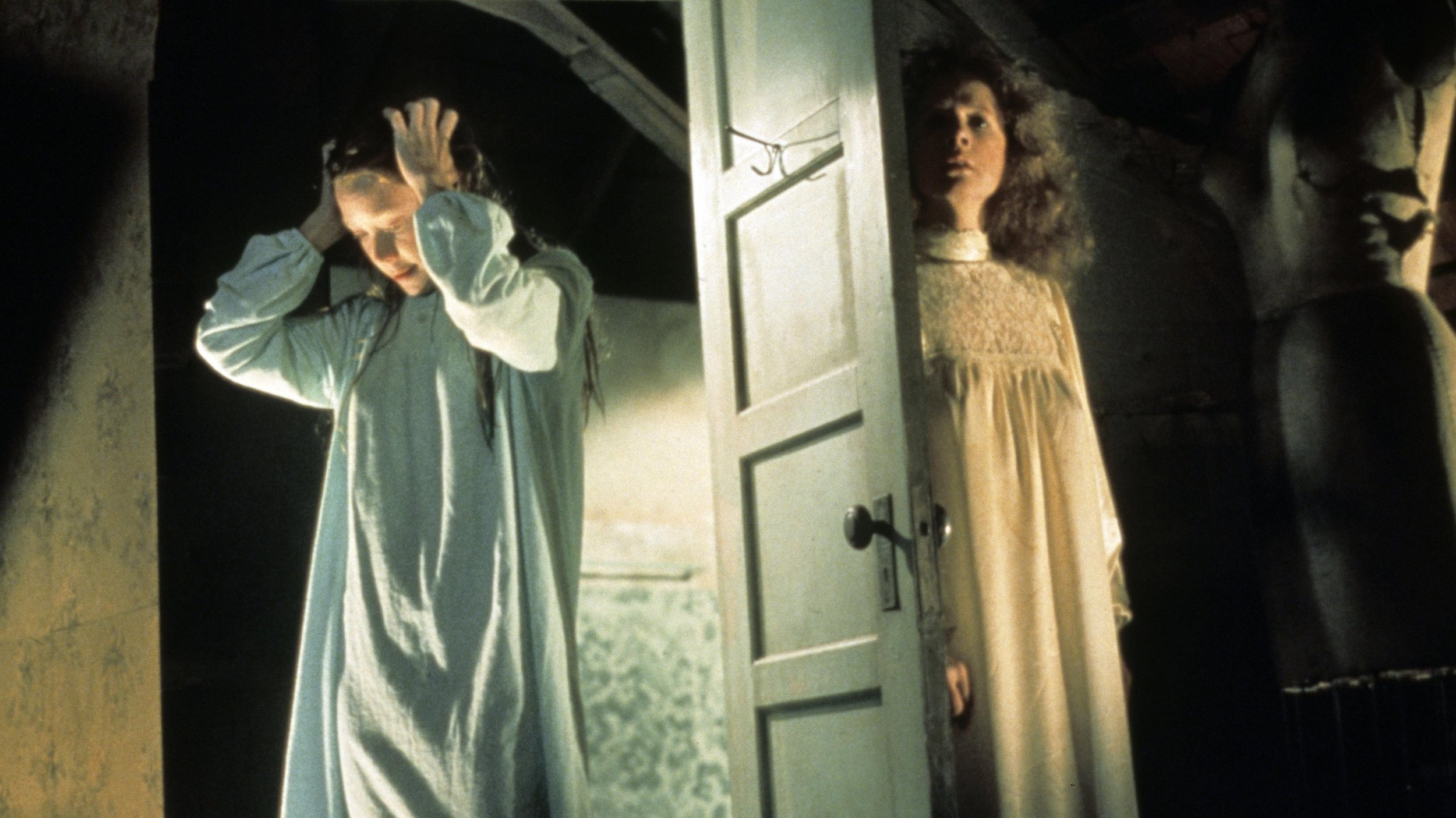
A classic example is Carrie, where Carrie’s mother is depicted as a fanatical, abusive figure using religion to control and shame. Or more recently, The Handmaid's Tale, which presents a dystopian society built on distorted biblical language, used to justify oppression and control.
These portrayals don’t just critique misuse of religion. They often blur the line between: distorted, abusive systems… and biblical Christianity itself.
The “Outdated and Restrictive” Believer
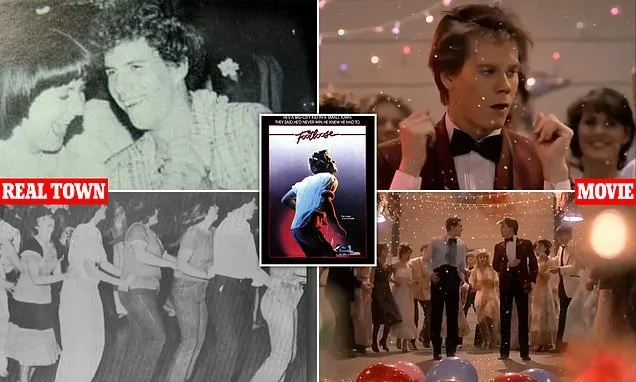
Another common theme is that Christianity is something people need to escape from. In Footloose, a small town influenced by strict religious values bans dancing, portraying faith as restrictive, joyless, and outdated.
This idea shows up constantly in teen dramas and coming-of-age stories: the religious parents are controlling, the rules are suffocating, and freedom comes from breaking away
The narrative becomes: Faith holds you back. Leaving it sets you free.
What You Rarely See
What’s noticeably absent from most portrayals?
Christians who are both thoughtful and faithful
believers who wrestle with doubt but stay grounded
people who live with conviction and compassion
In other words: real people. Because real faith isn’t extreme or simplistic. It’s layered. It’s lived. It’s often quiet. And that doesn’t always translate well on screen.
Why This Keeps Happening
There are a few reasons this pattern continues.
1. Familiarity Makes It Easy to Satirize
Christianity is widely recognized, especially in Western culture. That makes it easy to reference—and easy to caricature.
2. It Challenges Cultural Norms
Biblical Christianity makes claims about:
truth
morality
authority
And when something challenges culture, culture often responds by: reframing it… or mocking it.
3. Real Failures Get Amplified
Church scandals, hypocrisy, and abuse have given media real material to work with. But instead of presenting a full picture, failure and faithfulness, media often zooms in on the failure and presents it as the whole.
The Impact of Repetition
Over time, these portrayals do something subtle but powerful. They shape perception. So even people who have never read the Bible, attended church, or met a committed believer begin to assume Christians are judgmental, Christians are ignorant, and Christians are hypocritical.
Not because they’ve experienced it. But because they’ve seen it portrayed that way repeatedly.
The Tension We Have to Acknowledge
Not every portrayal is entirely false. There are:
hypocritical leaders
misinformed believers
harmful distortions of faith
But those are not the foundation of Christianity. They are distortions of it.
So Why Is Christianity the Punchline?
Because it’s easier to laugh at something than to wrestle with it. Easier to reduce it than to understand it. Easier to caricature it than to confront what it actually claims.
Final Thought
The goal of most media isn’t theological accuracy. It’s entertainment. And entertainment often relies on:
exaggeration
simplification
and contrast
But truth is rarely found in extremes. So instead of asking: “Is this portrayal entertaining?” Maybe the better question is: “Is this actually accurate?” Because real Christianity, lived out instead of caricatured, is far more complex, challenging, and meaningful than the punchline it’s often reduced to.
