

When “God Told Me” Isn’t Actually God
There are few phrases more powerful—or more dangerous—than this:
“God told me.”
Because if that’s true, you don’t question it. You don’t test it. You don’t push back. You obey.
That’s why this matters. Not because God doesn’t speak, but because people are claiming He said things… He never said.
The Rise of Modern “Prophets”
In the last century, especially the last few decades, we’ve seen a surge of leaders who claim direct, personal revelation from God.
Not just:
impressions
wisdom
or biblical teaching
But specific, authoritative messages:
“God told me this will happen…”
“God revealed to me who will win…”
“God showed me the timeline…”
And people listen. Because it feels spiritual. It sounds bold. It carries certainty.
But Scripture gives a sobering warning: Not every voice that claims God is actually from Him.
When Predictions Fail, But Followings Stay
This is where things get uncomfortable. Because we’re not talking about vague statements. We’re talking about public, specific predictions that did not happen.
End-Times Date Setting
Over the years, multiple leaders have confidently declared:
“Jesus is returning on this date”
“The rapture will happen this year”
“This is the final generation”
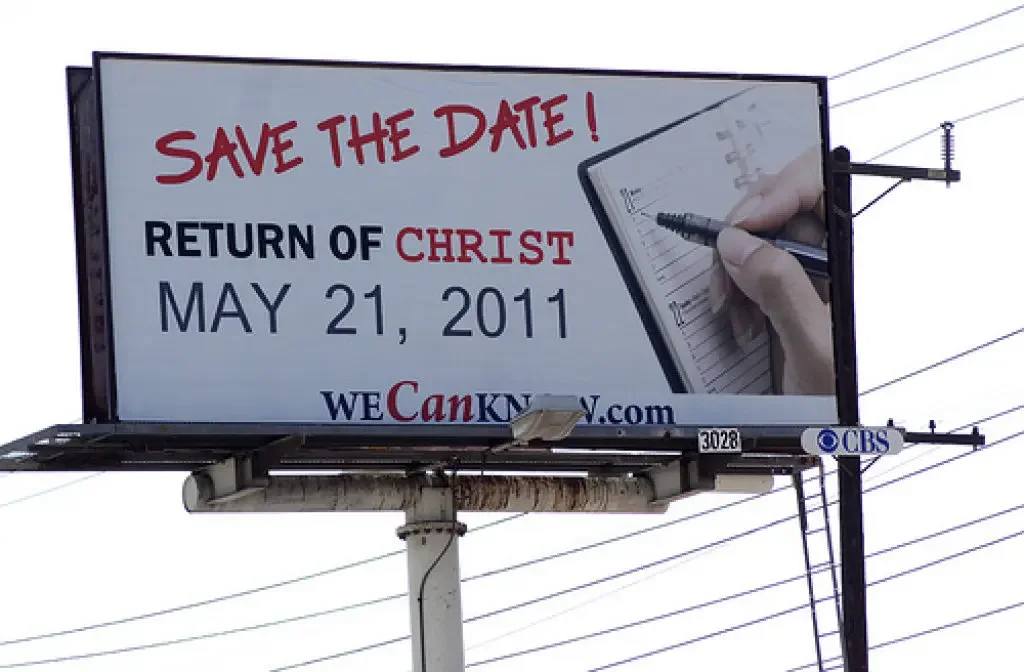
One of the most widely known in recent history was Harold Camping, who predicted the return of Christ in 2011. It didn’t happen.
But here’s what’s more revealing than the failure: People had already sold homes, left jobs, and reordered their lives around that word. Because they believed it came from God.
Political Prophecies That Didn’t Come True
Was it actually from God?
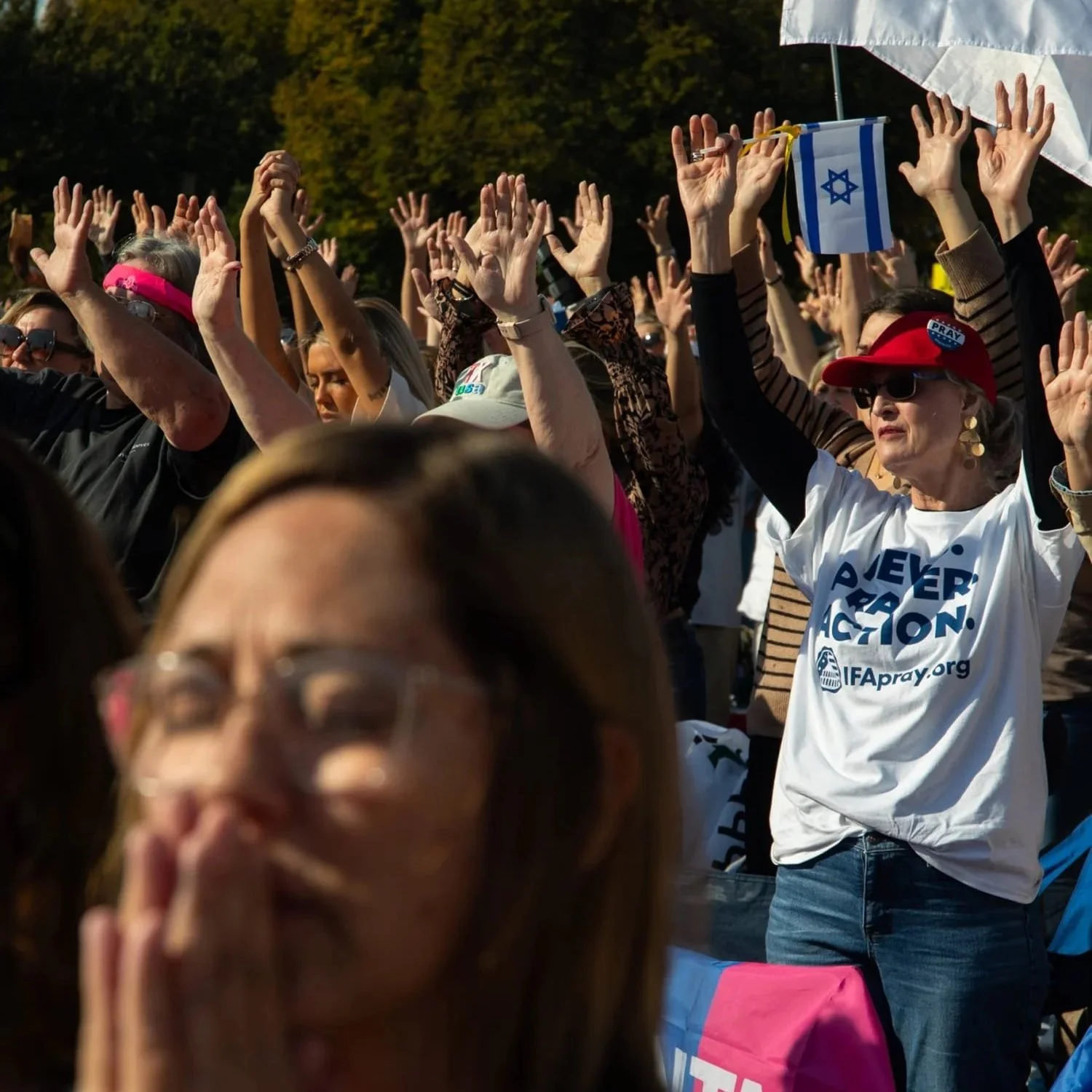
More recently, we’ve seen waves of prophetic voices declaring:
exact election outcomes
national shifts
specific leaders chosen by God in a particular way
When those predictions failed, something strange happened. Many didn’t step back. They doubled down.
They:
reinterpreted the prophecy
delayed the timeline
or shifted the meaning
Instead of asking: “Was that actually from God?”
Here’s the Tension No One Wants to Say Out Loud
If someone says: “God told me this will happen”
And it doesn’t happen… Then one of two things is true:
God was wrong
They weren’t speaking for God
And Scripture is very clear which one it is.
The Biblical Standard Is Higher Than We Think
In the Old Testament, if someone claimed to speak for God and it didn’t come to pass…
That wasn’t brushed off. It was taken seriously. Because speaking for God is not casual. It is sacred.
Today, though, we’ve lowered the standard. We treat failed prophecy like a minor mistake instead of a major spiritual claim.
How It Gets Justified Today
Modern prophetic culture often protects itself with language like:
“I heard wrong”
“It was symbolic”
“God changed His mind”
“The timing shifted”
But here’s the issue: That framework allows anything to be claimed and nothing to be accountable. And when there’s no accountability, there’s no guardrail against deception.
When Visions Replace Scripture
Another shift we’re seeing… People building entire beliefs around:
dreams
visions
personal encounters
Instead of grounding everything in Scripture. Now hear this clearly: God can guide, prompt, and lead.
But He will never contradict His Word. And He will never elevate a personal revelation above it.
When someone says:
“God showed me something new”
That doesn’t align with Scripture… That’s not deeper truth. That’s dangerous ground.
Why This Is So Appealing
Because certainty feels safe. It’s comforting to believe:
someone has inside knowledge
someone can decode the future
someone has a direct line to God
It removes the tension of faith. It replaces trust with control. But Christianity has never been about controlling outcomes. It’s about trusting a sovereign God, even when we don’t know what’s next.
The Subtle Shift You Need to Watch For
It’s not always loud or extreme. Sometimes it sounds like:
“I just feel like God is saying…”
“God told me you need to…”
“The Lord revealed to me about your life…”
And suddenly:
personal opinions carry divine weight
emotions are treated as revelation
and people feel pressured to obey something God never actually said
So How Do You Discern This?
You don’t reject everything spiritual. But you test everything.
Ask:
Does this align with Scripture?
Is this adding to God’s Word or pointing back to it?
Is this producing clarity—or confusion?
Does this elevate Christ—or the speaker?
Because real truth can withstand testing. It doesn’t need protection.
The Bottom Line
Not every “word from God” is from God. And the more casually we accept that phrase, the more vulnerable we become to being led by voices that sound spiritual, but aren’t rooted in truth.
God has already spoken clearly through His Word. Anything claiming to speak for Him must be measured against it. Not your feelings. Not someone’s platform. Not how confident it sounds. Scripture.
Final Thought
The most dangerous deception isn’t obvious. It’s the one wrapped in spiritual language, spoken with confidence, and accepted without question.
So the next time you hear: “God told me…” Don’t just receive it. Test it. Because truth doesn’t fear examination, but deception depends on avoiding it.
