

The Bible: Book #6 What It Says, Why It Matters, & How to Live It
Joshua
Courage, Obedience, and Stepping Into the Promise
Joshua is the book of movement.
For forty years, Israel circled the wilderness. Promises were spoken, delayed, tested, and remembered. Now the wandering ends, not because Israel became stronger, but because God remains faithful.
Joshua answers a question every believer eventually faces:
What does faith look like when it’s time to stop waiting and start walking?
Joshua is not just about taking land. It’s about trusting God enough to step forward when comfort, fear, and uncertainty all pull you backward.
1. What Joshua Is About (The Big Picture)
Author: Traditionally attributed to Joshua, with later editorial additions
Audience: Israel entering and settling the Promised Land
Setting: From the Jordan River into Canaan
Joshua marks a turning point in Scripture. The promise given to Abraham generations earlier is now being fulfilled. Moses, the great leader, is gone. A new generation must learn to trust God without leaning on the past.
Joshua is about:
leadership after loss
faith in action
obedience under pressure
God’s faithfulness across generations
2. What Joshua Reveals About God
Joshua shows us a God who is:
Faithful — keeping promises made centuries earlier
Present — “As I was with Moses, so I will be with you”
Powerful — no opposition can stop His purposes
Intentional — victories are strategic, not random
Patient — guiding His people step by step
This is a God who doesn’t just promise blessing, He walks with His people into it.
3. Major Themes in Joshua (Extended)
1. Courage Over Fear
God repeatedly tells Joshua, “Be strong and courageous.” Courage here isn’t confidence, it’s obedience despite fear.
2. Obedience Before Understanding
Many of God’s instructions don’t make sense until after obedience comes first.
3. God Fights for His People
Victory is never credited to Israel’s strength. God consistently goes before them.
4. Faith Requires Action
The land is promised, but Israel still must step forward. Faith does not cancel responsibility.
5. Remembering God’s Faithfulness
Joshua emphasizes memorials, reminders, and public remembrance so future generations don’t forget what God has done.
4. Key Moments You Need to Understand
Crossing the Jordan (Joshua 1–4)
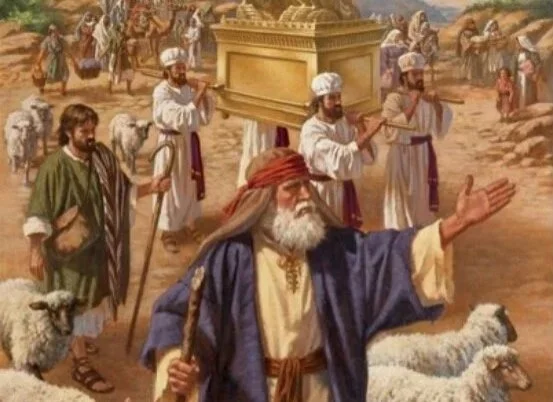
Just as God parted the Red Sea, He parts the Jordan River, but this time the priests must step into the water first. Faith comes before confirmation. Stones are set up as a memorial so Israel and their children will remember what God did.
Jericho (Joshua 5–6)
Jericho falls not by military power, but by obedience. Marching, silence, and worship lead to victory. This story reminds us:
God’s ways often look foolish before they look faithful.
The Gibeonite Deception (Joshua 9)
Israel fails to seek God’s counsel and enters a deceptive alliance. This moment teaches that success can dull discernment if prayer is neglected.
Dividing the Land (Joshua 13–21)
These chapters can feel slow—but they matter.
They show:
God’s promises fulfilled in detail
every tribe receiving an inheritance
faithfulness extending to ordinary logistics
God cares about completion, not just conquest.
Covenant Renewal at Shechem (Joshua 24)
Joshua gathers the people for a final challenge:
“Choose this day whom you will serve.”
Faith is not inherited automatically. Each generation must choose obedience for itself.
5. How Joshua Points to Jesus
Joshua’s name in Hebrew (Yehoshua) is the same root as Jesus.
Joshua leads God’s people into physical rest. Jesus leads God’s people into spiritual rest.
Joshua conquers land → Jesus conquers sin and death
Joshua leads Israel home → Jesus leads us to eternal life
Joshua’s victories are partial → Jesus’ victory is complete
Joshua prepares us to long for a greater deliverer.
6. Common Misunderstandings About Joshua
❌ “Joshua promotes violence without context”
Joshua reflects a specific historical moment tied to judgment and covenant, not a model for modern conflict.
❌ “Faith guarantees easy victory”
Joshua shows victory requires trust, obedience, and perseverance.
❌ “God only works through strong leaders”
Joshua starts as Moses’ assistant. God grows leaders through faithfulness, not fame.
7. Why Joshua Matters Right Now
Joshua speaks powerfully into modern life:
When fear keeps you stuck → Joshua says move forward
When leadership changes → Joshua says God remains
When obedience feels risky → Joshua says trust God’s presence
When faith feels passive → Joshua says faith walks
Joshua reminds us: God’s promises are not just meant to be believed, they are meant to be lived in.
8. How to Read Joshua Without Getting Confused
Read it as theological history, not just battle stories
Pay attention to God’s instructions before each victory
Notice how often obedience precedes success
Watch for moments where prayer is absent—and what follows
Helpful prayer while reading:
“God, help me trust You enough to step forward before I see the outcome.”
9. A Devotional Reflection
Joshua teaches us that stepping into God’s promises often requires leaving familiar ground behind. The Jordan doesn’t part until feet get wet. The walls don’t fall until obedience happens. The promise doesn’t feel real until you walk in it.
If you’re standing at the edge of something new; uncertain, nervous, but called—Joshua whispers this truth:
God goes before you.
God stays with you.
And God finishes what He promises.
10. Prayer
Faithful God,
Give us courage when fear tries to keep us still. Help us obey even when the path doesn’t make sense. Teach us to remember Your faithfulness and choose You daily. As we step into new seasons, remind us that You go before us and remain with us.
Amen
