

The Bible: Book #4 What It Says, Why It Matters, & How to Live It
Numbers
Trusting God Between Promise and Fulfillment
Numbers is the book about the long way around.
If Exodus is the dramatic rescue and Leviticus is learning how to live near a holy God, Numbers is what happens when faith meets reality: fear, fatigue, doubt, rebellion, and delay.
Numbers asks a question most believers eventually face:
What do you do when God has promised something… but you’re not there yet?
This book is not mainly about numbers. It’s about trust and what happens when it wavers.
1. What Numbers Is About (The Big Picture)
Author: Traditionally attributed to Moses
Audience: Israel in transition
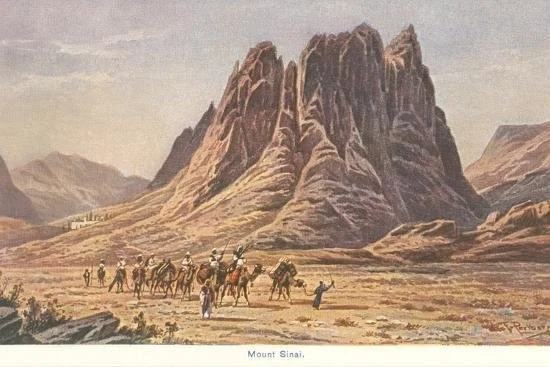
Setting: From Mount Sinai through the wilderness, toward the Promised Land
Numbers gets its name from the censuses recorded at the beginning and end of the book, but those numbers frame a deeper story: an entire generation learning or refusing to trust God.
Israel stands between:
deliverance already experienced
promise not yet fulfilled
Numbers is about the wilderness in between.
2. What Numbers Reveals About God
Numbers shows God as:
Faithful — even when His people are not
Patient — enduring repeated complaints and rebellion
Present — guiding by cloud and fire
Just — addressing sin honestly
Unchanging — His promise never shifts, even when people do
This book is comforting and uncomfortable at the same time. God does not abandon His people, but He does not rush growth either.
3. Major Themes in Numbers (Extended)
1. Trust vs. Fear
Fear convinces Israel that Egypt was safer than freedom. Trust requires remembering who God is, not just what He’s done.
2. The Cost of Unbelief
Unbelief doesn’t cancel God’s promise, but it can delay participation in it.
3. God’s Presence in the Wilderness
The cloud and fire remain even when Israel grumbles. God stays present during wandering seasons.
4. Leadership Under Pressure
Moses’ leadership is tested by complaint, rebellion, and exhaustion. God cares deeply about those who lead His people.
5. God’s Holiness and Mercy Together
Judgment appears, but always alongside provision, patience, and grace.
4. Key Sections You Need to Understand
The Census and Camp Order (Numbers 1–10)
God organizes His people intentionally.
This shows:
God values order
every tribe matters
community life requires structure
God is forming a people, not just moving a crowd.
Complaints and Craving (Numbers 11–12)
Israel begins to romanticize Egypt. This is a warning: longing for comfort can distort memory. Freedom is harder than slavery, but it’s better.
The Spies and the Turning Point (Numbers 13–14)
This is the emotional center of the book. Twelve spies see the same land. Ten see giants. Two see God’s promise. Fear spreads faster than faith.
Because of unbelief:
an entire generation wanders
promise is delayed
trust is tested
This moment teaches us that perception shapes obedience.
Rebellion and Authority (Numbers 16)
Korah’s rebellion reveals how quickly dissatisfaction can turn into division. God takes rebellion seriously, not because He fears questions, but because unity matters.
The Bronze Serpent (Numbers 21)
When the people are bitten by snakes, God provides healing through an unexpected symbol. Those who look live.mThis moment will echo forward into the Gospel.
Balaam and Blessing (Numbers 22–24)
Even when enemies intend harm, God turns curses into blessings.
This section reminds us:
God’s purposes cannot be manipulated or reversed.
5. How Numbers Points to Jesus
Numbers quietly foreshadows Christ:
The wilderness testing → Jesus’ temptation
Moses lifting the bronze serpent → Jesus lifted on the cross
God’s patience with rebellion → Christ’s mercy
God dwelling among wandering people → Emmanuel
Jesus later says:
“Just as Moses lifted up the serpent in the wilderness, so the Son of Man must be lifted up.”
Numbers prepares us to understand salvation in the middle of wandering.
6. Common Misunderstandings About Numbers
❌ “Numbers is just a history of complaints”
It’s a spiritual mirror showing how fear shapes faith.
❌ “God is harsh in Numbers”
God is remarkably patient—far more than Israel deserves.
❌ “The wilderness was pointless”
The wilderness was formative. It revealed hearts.
7. Why Numbers Matters Right Now
Numbers speaks powerfully to modern believers:
When faith feels delayed → Numbers says waiting is not wasted
When obedience feels hard → Numbers warns against fear-driven decisions
When you feel stuck → Numbers reminds you God is still leading
When you’re tired of the journey → Numbers tells you God hasn’t left
Numbers reassures us: God’s promise does not expire because of our impatience.
8. How to Read Numbers Without Getting Discouraged
Read it as a story of formation, not failure alone
Pay attention to repeated complaints and God’s responses
Notice how God provides even after rebellion
Reflect on how fear shows up in your own life
Helpful prayer:
“God, show me where fear has shaped my obedience more than trust.”
9. A Devotional Reflection
Numbers reminds us that not every delay is punishment. Sometimes delay is protection. Sometimes it’s preparation. Sometimes it’s mercy.
God would rather take you the long way in truth than the short way in fear.mIf you are in a season that feels repetitive, exhausting, or uncertain, Numbers whispers this truth: God is still leading, even when the path feels unclear.
10. Prayer
Faithful God,
When we are afraid, teach us to trust You. When the journey feels long, remind us You are still present. Guard us from nostalgia for what once bound us. Give us courage to believe Your promises, even when we haven’t yet arrived.
Amen
