

The Bible: Book #34 What It Says, Why It Matters, & How to Live It
Nahum
God’s Justice Against Relentless Evil
Nahum is the book that answers the question Jonah leaves hanging.
Jonah shows us God’s mercy toward Nineveh when they repent.
Nahum shows us what happens when repentance expires and cruelty persists.
This book asks a hard but necessary question:
What does God do when evil refuses to stop?
Nahum’s answer is sobering and strangely comforting: God does not ignore injustice forever.
1. What Nahum Is About (The Big Picture)
Author: Nahum of Elkosh
Audience: Judah (with a message about Nineveh)
Setting: Before the fall of Nineveh (Assyria’s capital)
Assyria was infamous for:
extreme violence
public cruelty
humiliation of conquered peoples
terror as policy
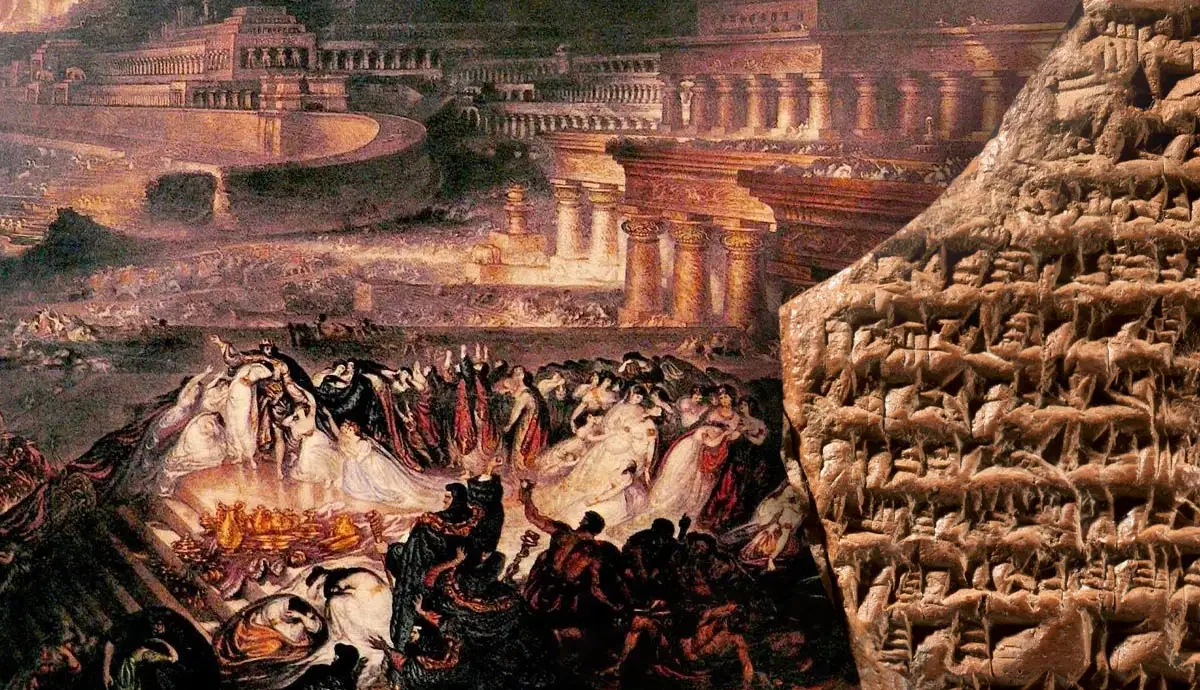
Nineveh once repented in Jonah’s day, but generations later, it returned to brutality. Nahum prophesies its complete downfall. This book is not about revenge. It is about the end of unchecked oppression.
2. What Nahum Reveals About God
Nahum reveals a God who is:
Just — refusing to allow cruelty to reign forever
Patient — slow to anger, but not indifferent
Protective — a refuge for those who suffer
Powerful — nations crumble at His command
Faithful — keeping His promises to defend the oppressed
God’s justice is not impulsive. It is measured and inevitable.
3. Major Themes in Nahum (Extended)
1. Mercy Has a Moral Horizon
God’s patience is vast—but not infinite. Continual violence invites accountability.
2. God Sees What Empires Hide
Nineveh’s power could not conceal its crimes. Oppression does not escape divine notice.
3. Justice Brings Relief
For Judah, Nahum’s message is good news:
“The yoke will be broken.”
Judgment against evil means freedom for victims.
4. God as Refuge
The same God who topples empires shelters the faithful.
5. The Finality of Reckoning
Nineveh’s fall will be complete, no rebuilding, no revival. Some systems must end for healing to begin.
4. Key Passages You Need to Understand
God’s Character Declared (Nahum 1)
Nahum opens by grounding justice in God’s nature:
“The Lord is slow to anger but great in power.”
Justice flows from holiness, not rage.
The Fall of Nineveh (Nahum 2)
Vivid imagery depicts collapse:
breached walls
fleeing rulers
looted wealth
What once terrorized others is now undone.
The Exposure of Evil (Nahum 3)
Nineveh is exposed publicly, its violence named and judged. God strips away the illusion of invincibility.
5. How Nahum Connects to Jonah
Jonah and Nahum belong together:
Jonah → mercy offered
Nahum → justice executed
Grace rejected repeatedly does not cancel justice.
This pairing shows God’s full character:
merciful and just, patient and decisive.
6. How Nahum Points to Jesus
Nahum prepares us for the Gospel by affirming:
evil will be judged
oppression will end
victims will be vindicated
Jesus fulfills this in two ways:
absorbing judgment on behalf of repentant sinners
promising final justice against unrepentant evil
The cross shows mercy. The kingdom promises justice.
7. Common Misunderstandings About Nahum
❌ “Nahum is cruel”
Nahum defends those crushed by cruelty.
❌ “God changed between Jonah and Nahum”
The people did.
❌ “Justice contradicts love”
Justice protects love from being meaningless.
8. Why Nahum Matters Right Now
Nahum speaks clearly today:
When evil feels untouchable → Nahum assures justice
When power abuses without consequence → Nahum warns reckoning
When victims feel forgotten → Nahum promises vindication
When mercy feels wasted → Nahum restores balance
This book reminds us:
God is patient, but never powerless.
9. How to Read Nahum With Wisdom
Read it as comfort for the oppressed
Resist applying it self-righteously
Trust God with vengeance
Let it deepen hope, not hatred
Helpful prayer:
“God, I trust You to handle justice better than I ever could.”
10. A Devotional Reflection
Nahum teaches us that justice is not something God forgot. It is something He scheduled.
If you are weary of injustice, cruelty, or unchecked evil, Nahum offers this reassurance:
God sees. God remembers. And God will act.
11. Prayer
Just and Mighty God,
When evil feels overwhelming, remind us You are not absent. Protect the vulnerable, restrain the violent, and bring justice in Your time. Teach us to trust You with judgment and to walk faithfully in hope.
Amen
