

The Bible: Book #31 What It Says, Why It Matters, & How to Live It
Obadiah
Pride, Consequences, and the Certainty of God’s Justice
Obadiah is the shortest book in the Old Testament—but it carries immense weight.
After Amos confronts systemic injustice among God’s people, Obadiah turns the spotlight outward to Edom, a nation closely related to Israel. What makes Edom’s sin so severe isn’t just violence, it’s prideful indifference toward a brother’s suffering.
Obadiah asks a sobering question:
What does God say to those who stand by smug and silent while others are destroyed?
The answer is unmistakable: neutrality in the face of injustice is not innocence.
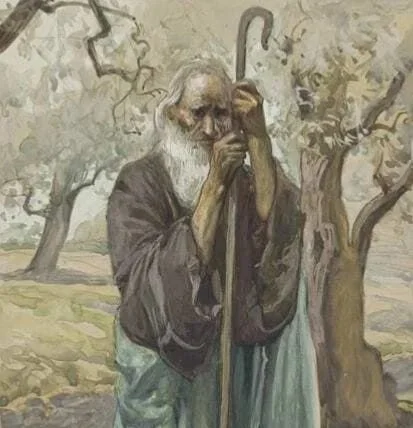
1. What Obadiah Is About (The Big Picture)
Author: Obadiah
Audience: Edom (and all nations tempted by pride)
Setting: After Jerusalem’s fall to Babylon
Obadiah addresses Edom’s response to Judah’s destruction. Instead of helping, Edom:
rejoiced over Jerusalem’s fall
looted survivors
blocked escape routes
handed refugees to enemies
This betrayal of kinship reveals a deeper issue: arrogant self-security.
2. What Obadiah Reveals About God
Obadiah reveals a God who is:
Just — holding nations accountable for cruelty
Attentive — seeing actions done “from a distance”
Impartial — judging all nations by the same standard
Protective — defending the vulnerable
Faithful — restoring His people after devastation
God is not fooled by distance, diplomacy, or denial.
3. Major Themes in Obadiah (Extended)
1. The Danger of Pride
Edom believes geography and power guarantee safety.
God declares:
“Though you soar like the eagle… I will bring you down.”
Pride invites collapse.
2. Violence by Indifference
Edom’s guilt is not only what they did, but what they failed to do. Standing aloof becomes participation in harm.
3. The Day of the Lord
Judgment comes not only to Israel, but to all nations. What Edom did to others will be done to them.
4. Moral Accountability Beyond Borders
God holds nations responsible for how they treat the suffering, especially their own kin.
5. Restoration After Judgment
The book ends not in destruction, but hope. Mount Zion will be restored.
4. Key Passages You Need to Understand
“Do Not Gloat” (Obadiah 12)
Edom’s sin includes celebration of another’s pain. God condemns joy rooted in another’s downfall.
Blocking the Escape (Obadiah 14)
This is the darkest accusation, actively preventing rescue.
Complicity crosses into cruelty.
The Reversal (Obadiah 15)
“As you have done, it will be done to you.”
Justice mirrors action.
Hope for God’s People (Obadiah 17–21)
God promises restoration and deliverance. Justice does not cancel hope, it clears the way for it.
5. How Obadiah Points to Jesus
Obadiah prepares the heart for the Gospel by affirming:
God sees injustice
God confronts pride
God defends the oppressed
God restores what was stolen
Jesus fulfills this justice not by indifference, but by intervention. Where Edom stood distant, Christ draws near. Where Edom exploited weakness, Christ absorbs it.
6. Common Misunderstandings About Obadiah
❌ “Obadiah is too short to matter”
Its brevity sharpens its force.
❌ “This is just ancient political history”
The moral warning transcends time.
❌ “Silence is neutral”
Scripture says otherwise.
7. Why Obadiah Matters Right Now
Obadiah feels strikingly modern:
When suffering becomes spectacle → Obadiah warns us
When injustice is ignored → Obadiah confronts us
When pride justifies distance → Obadiah exposes it
When accountability feels delayed → Obadiah assures justice
This book reminds us:
God notices how we respond to others’ suffering, even when we think it doesn’t concern us.
8. How to Read Obadiah Honestly
Examine where pride feels justified
Notice moments of indifference
Read it as a warning, not a weapon
Let it shape compassion
Helpful prayer:
“God, guard my heart from pride and teach me to act with compassion.”
9. A Devotional Reflection
Obadiah teaches us that evil does not always wear the face of violence.
Sometimes it looks like:
distance
smugness
silence
self-protection
If you’ve ever felt tempted to look away from suffering, Obadiah offers this loving correction:
God calls us not to gloat, not to distance, but to care. Justice belongs to Him, but compassion belongs to us.
10. Prayer
Righteous God,
Search our hearts for pride and indifference. Teach us to respond to suffering with compassion, not distance. Align our actions with Your justice and our hearts with Your mercy. Make us people who reflect Your care for the vulnerable.
Amen
