

The Bible: Book #17 What It Says, Why It Matters, & How to Live It
Esther
Courage, Providence, and Faith For Such a Time as This
Esther is the book where God is never mentioned by name, but never absent.
After Ezra and Nehemiah show us physical and spiritual rebuilding, Esther shifts the camera to Jews who never returned to Jerusalem. They are still in exile, still under foreign rule, still vulnerable. And yet, God is working just as powerfully behind the scenes.
Esther asks a deeply relevant question:
What does faith look like when God feels hidden and the stakes are life or death?
This book reminds us that silence does not mean absence and coincidence is often providence in disguise.
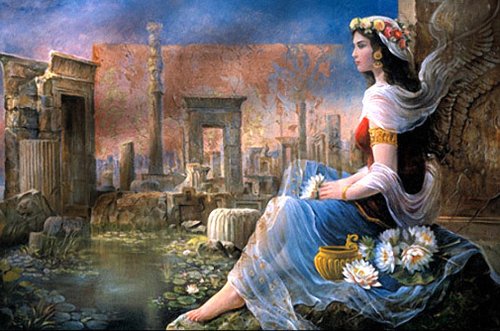
1. What Esther Is About (The Big Picture)
Author: Unknown (likely written during or after Persian rule)
Audience: Jewish people living in exile
Setting: Persia, in the royal courts of King Xerxes (Ahasuerus)
Esther tells the story of:
a Jewish orphan turned queen
a hidden identity
a genocidal plot
a courageous decision
a dramatic reversal
It explains the origin of the Jewish festival Purim, celebrating deliverance when annihilation seemed inevitable.
2. What Esther Reveals About God
Even without explicit mention, Esther reveals a God who is:
Sovereign — orchestrating events behind the scenes
Protective — preserving His people from destruction
Faithful — keeping covenant promises despite exile
Strategic — positioning people at the right time
Just — reversing evil intentions
Esther teaches us that God’s hand is often most active when it is least obvious.
3. Major Themes in Esther (Extended)
1. Divine Providence
Every “coincidence” pushes the story forward: timing, insomnia, banquets, delays. Nothing is accidental.
2. Courage Under Pressure
Esther risks her life by approaching the king uninvited—a capital offense.
3. Hidden Identity and Revelation
Esther conceals her Jewish identity until the moment courage demands truth.
4. Reversal and Justice
Haman’s plans collapse; the gallows meant for Mordecai become his own.
5. God’s People Preserved
Despite exile, God’s covenant protection remains intact.
4. Key Moments You Need to Understand
Esther Becomes Queen (Esther 1–2)
What appears to be a beauty contest is actually positioning. God elevates Esther quietly—long before the crisis arrives.
Haman’s Plot (Esther 3)
Haman’s hatred escalates into a decree of genocide. This moment shows how quickly pride turns deadly when unchecked.
Mordecai’s Challenge (Esther 4)
Mordecai delivers the book’s defining words:
“Who knows but that you have come to your royal position for such a time as this?”
Esther must decide whether safety is worth silence.
Esther’s Courage (Esther 5–7)
Esther approaches the king after fasting; wisely, patiently, courageously. Deliverance unfolds not through force, but discernment.
The Great Reversal (Esther 8–10)
The decree cannot be undone, but a new one brings deliverance. Evil collapses. God’s people are saved. Purim is established to remember what God did when hope seemed lost.
5. How Esther Points to Jesus
Esther foreshadows the gospel in powerful ways:
an innocent advocate risking death
intercession on behalf of the people
deliverance from destruction
victory through self-sacrifice
Where Esther risks her life temporarily, Christ gives His life completely. Esther saves a nation. Jesus saves the world.
6. Common Misunderstandings About Esther
❌ “God isn’t in Esther”
God is everywhere—just unseen.
❌ “Esther is about political maneuvering”
It’s about courage rooted in trust.
❌ “Faith must always be loud”
Sometimes faith is quiet—but decisive.
7. Why Esther Matters Right Now
Esther feels profoundly modern:
When God feels silent → Esther says He is still working
When truth feels dangerous → Esther says speak anyway
When injustice threatens → Esther says God sees
When fear tempts silence → Esther says this is your moment
Esther reminds us:
You are not randomly placed. You are not overlooked. And this moment matters.
8. How to Read Esther With Discernment
Look for patterns of reversal
Notice the timing of events
Pay attention to silence and delay
Read it as providence, not coincidence
Helpful prayer:
“God, give me courage to act when silence feels safer.”
9. A Devotional Reflection
Esther teaches us that obedience often requires courage without clarity. Esther didn’t know the outcome. She only knew the cost of inaction.
If you are standing at a crossroads; afraid, uncertain, but called, Esther speaks directly to your heart:
You are here on purpose. God is not absent. And faith was made for moments like this.
10. Prayer
Sovereign God,
When You feel silent, help us trust Your unseen hand. Give us courage to speak when fear tempts silence. Position our lives for Your purposes, even when we don’t see the full picture. Help us live faithfully for such a time as this.
Amen
