

The Bible: Book #1 What It Says, Why It Matters, & How to Live It
Genesis
What It Says, Why It Matters, and How to Read It Today
If the Bible were a story, and it is, Genesis is the opening chapter that explains everything that follows. Without Genesis, the rest of Scripture doesn’t fully make sense. Sin, salvation, covenant, suffering, promise, family, nations, and redemption all begin here.
Genesis isn’t just about beginnings. It’s about why the world is the way it is and why God isn’t finished with it.
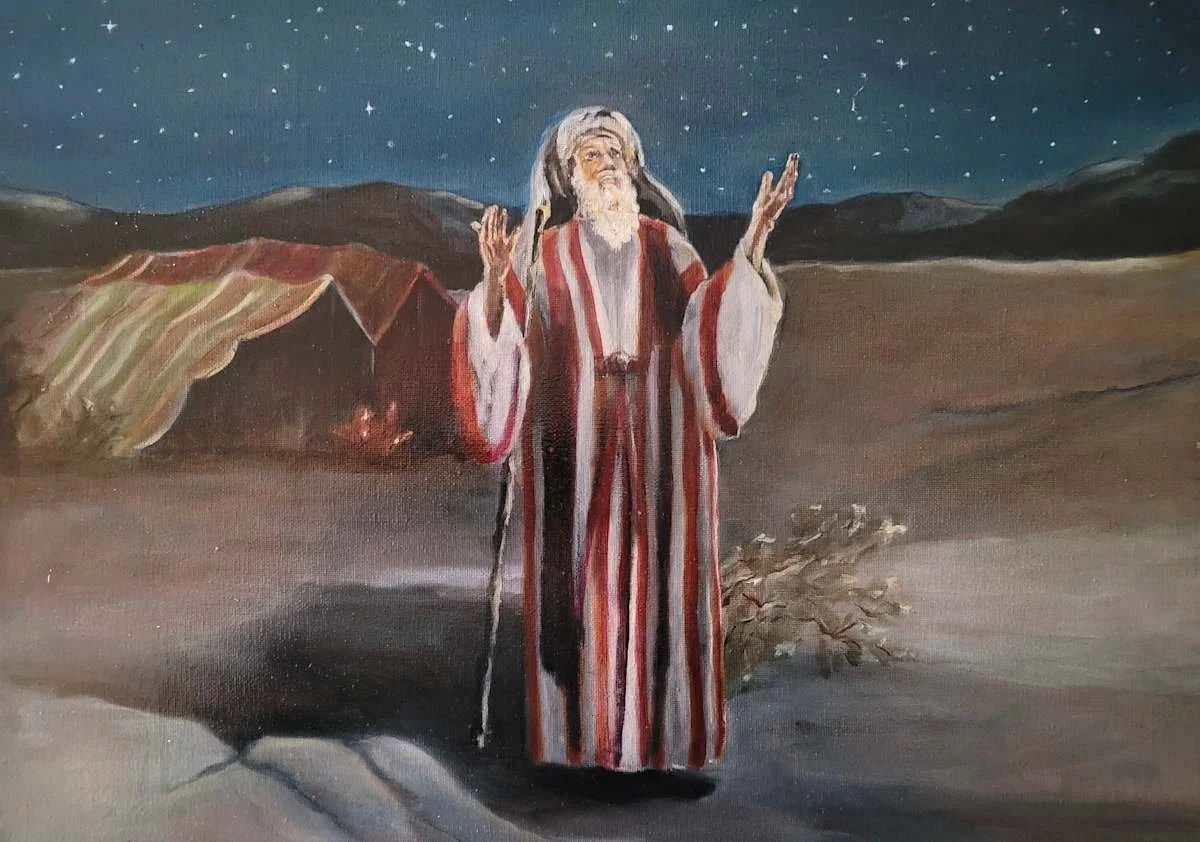
1. What Genesis Is About (The Big Picture)
Author: Traditionally attributed to Moses
Audience: Israel, newly formed as God’s people
Historical setting: Written to a people learning who they are and who their God is
Genesis answers the questions every human eventually asks:
Where did we come from?
Why is the world broken?
Why do people hurt each other?
Does God still care?
Is there a plan—or just chaos?
Genesis is not primarily a science textbook or a mythological poem. It is a theological foundation, revealing who God is, who we are, and how God chooses to work through imperfect people to bring redemption.
2. What Genesis Reveals About God
Genesis introduces us to God before religion, law, or institutions.
It shows God as:
Creator – intentional, ordered, powerful
Relational – walking with humanity, speaking, blessing
Holy – distinct from creation, yet deeply involved
Faithful – keeping promises across generations
Patient – working through failure, not abandoning humanity
From the first verse, God is active, purposeful, and sovereign—not distant, not reactive, not surprised.
3. Major Themes in Genesis
1. Creation & Order
God creates with intention. The world is not accidental, chaotic, or meaningless.
2. Image of God
Humans are made in God’s image—giving dignity, worth, and responsibility to every person.
3. The Fall
Sin enters not through ignorance, but distrust. Humanity chooses autonomy over obedience.
4. Covenant
God binds Himself to humanity through promises, not performance.
5. Blessing & Lineage
God works through families, generations, and flawed people to fulfill His purposes.
6. God’s Sovereignty Through Human Failure
Human sin never cancels God’s plan—it becomes the stage on which His grace is revealed.
4. Key Sections You Need to Understand
Creation (Genesis 1–2)
God creates the world as good. Humanity is given purpose, relationship, and responsibility.
Misunderstanding: Genesis 1 exists to argue science timelines.
Reality: Genesis 1 declares who created and why, not just how.
The Fall (Genesis 3)
Sin enters through deception and distrust—not rebellion for rebellion’s sake.
This chapter explains:
shame
broken relationships
pain
death
humanity’s instinct to hide from God
Yet even here, God pursues.
The Flood (Genesis 6–9)
This is about judgment and mercy.
God grieves sin, judges wickedness, and preserves life through covenant. The flood is not about destruction, it’s about God refusing to let evil have the final word.
Abraham & the Covenant (Genesis 12–25)
God chooses one man, not because he’s perfect, but because God intends to bless all nations through him.
This is where the redemptive storyline truly begins.
“I will bless you… and all peoples on earth will be blessed through you.”
This promise echoes through the entire Bible.
Joseph (Genesis 37–50)
Joseph’s story shows God’s sovereignty in suffering.
“You meant evil against me, but God meant it for good.”
Genesis ends not with resolution, but with hope and anticipation.
5. How Genesis Points to Jesus
Genesis plants seeds that bloom in the New Testament.
The promised offspring (Genesis 3:15) → Christ
The sacrifice God provides (Isaac spared) → Jesus given
The blessing to all nations → the Gospel
The faith credited as righteousness (Abraham) → salvation by grace
Joseph’s unjust suffering and eventual exaltation → Christ’s story
Genesis whispers the gospel long before it is spoken plainly.
6. Common Misunderstandings About Genesis
❌ “Genesis is outdated or symbolic only”
Genesis contains symbolism, but it communicates real theological truth meant to shape belief and life.
❌ “Genesis is about perfect people”
Genesis is filled with:
liars
manipulators
doubters
sinners
God works anyway.
❌ “Genesis proves God abandoned humanity”
Genesis proves the opposite: God keeps showing up.
7. Why Genesis Matters Right Now
Genesis speaks powerfully to modern confusion.
When identity is blurred → Genesis affirms created purpose
When chaos feels overwhelming → Genesis declares order
When sin feels permanent → Genesis introduces redemption
When families are broken → Genesis shows God working through broken families
When suffering feels meaningless → Genesis says God is still writing the story
Genesis reminds us: God begins things He intends to finish.
8. How to Read Genesis Without Getting Lost
Read it as theological narrative, not modern journalism
Pay attention to repeated words and promises
Notice God’s actions more than human failure
Read slowly—Genesis is foundational, not fast
Helpful prayer while reading:
“God, show me who You are before I focus on what people do wrong.”
9. A Devotional Reflection
Genesis teaches us something deeply comforting:
God is not intimidated by beginnings. He creates from nothing. He redeems from failure.mHe builds futures out of broken pasts. If your life feels unfinished, confusing, or damaged, Genesis reminds you that God specializes in starting again.
10. Prayer
God of beginnings,
You created order out of chaos and hope out of nothing. When our lives feel broken or unfinished, remind us that You are still writing. Help us trust Your promises, even when we don’t yet see their fulfillment. Anchor us in the truth that what You begin, You are faithful to complete.
Amen
