

Are We Living in the Last Days? A Biblical Response to Today’s Headlines
Why So Many Christians Are Suddenly Talking About the End Times Again
If you spend even a few minutes in Christian spaces online right now, you’ll notice something. The conversation has shifted. People are talking about prophecy again. Not casually. Seriously.
You’ll see questions everywhere:
Are we living in the last days?
Is this what the Bible warned about?
Are the events in the Middle East connected to Revelation?
For some believers this conversation is exciting. For others, it feels unsettling. But before jumping to conclusions, Christians need to slow down and ask a deeper question: Why does every generation believe they might be the final one?
The Bible Actually Says We Are in the “Last Days”
One of the reasons this conversation keeps returning is because Scripture itself says something surprising. The “last days” didn’t start in our lifetime. They started 2,000 years ago.
The apostle Peter explained this clearly:
“In the last days it shall be, God declares, that I will pour out my Spirit on all flesh.”
— Acts 2:17
Peter said this immediately after Pentecost. In other words, the early church already believed they were living in the final era of history. From the resurrection of Christ onward, history entered its final chapter. So in a real sense, Christians have been living in the last days for two millennia.
Why the Conversation Feels Different Right Now
Even though the last days began long ago, certain events cause believers to pay closer attention. Right now several things are converging that naturally raise questions:
• escalating tensions in the Middle East
• rapid technological change
• growing hostility toward Christian beliefs in many cultures
• global instability and uncertainty
For many Christians, these developments feel like pieces of a puzzle they’ve read about in Scripture. But this is where discernment becomes essential. Because history shows that many previous generations felt exactly the same way.
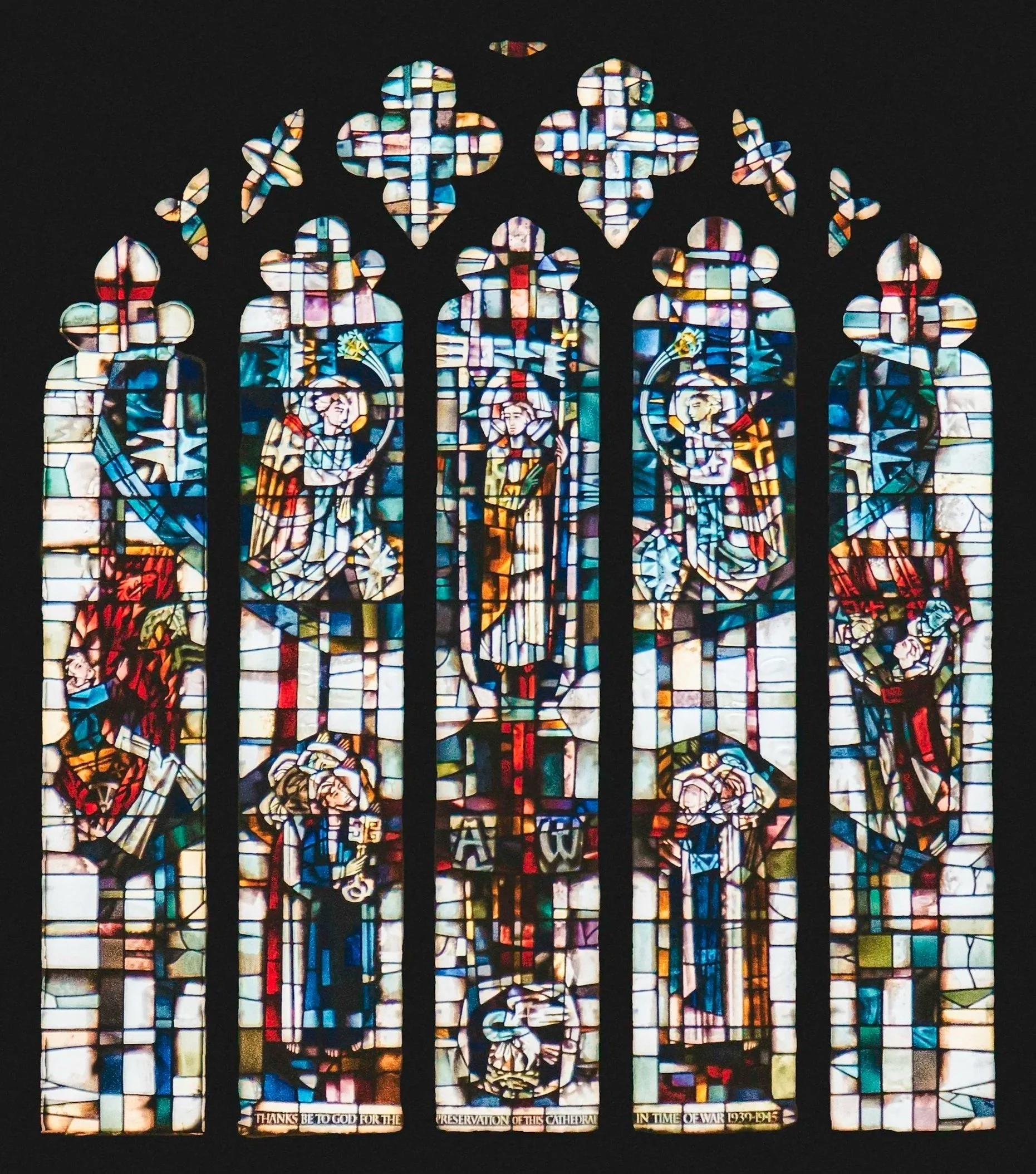
Every Generation Has Had an “End Times Moment”
During World War II, many Christians were convinced the rise of global tyranny must be the final sign. During the Cold War, nuclear weapons made people certain the world was nearing its end. After the establishment of modern Israel in 1948, prophecy speculation surged again. And yet history continued.
This doesn’t mean prophecy is untrue. It means interpreting current events through prophecy requires humility.
Jesus Warned About Something First
When Jesus spoke about the future in Matthew 24, the first warning He gave was not about wars. It was about deception.
“See that no one leads you astray.”
— Matthew 24:4
That’s significant. Before mentioning earthquakes, conflicts, or global turmoil, Christ warned His followers about false interpretations and spiritual confusion. The danger was never simply misunderstanding events. The danger was being led astray while trying to interpret them.
The Christian Response to Prophecy
The Bible never tells believers to obsess over predicting dates. In fact, Scripture repeatedly discourages that.
Jesus said:
“It is not for you to know times or seasons that the Father has fixed by his own authority.”
— Acts 1:7
Instead, Christians are called to live with a different mindset. Not panic. Not speculation. But readiness.
Readiness Looks Different Than Fear
Biblical readiness is not about trying to decode every headline. It’s about living faithfully today.
It means:
• knowing Scripture deeply
• remaining spiritually alert
• loving others well
• sharing the gospel boldly
The early church believed Christ could return at any moment. But they didn’t spend their days predicting timelines. They spent their lives building the Church.
The Real Point of Prophecy
One of the biggest misunderstandings about prophecy is that its purpose is prediction. But its primary purpose is hope. The message of biblical prophecy is not: “The world will collapse.”
The message is: Christ will reign.
No matter how chaotic history becomes, Scripture points to the same ending. The victory of Christ. The defeat of evil. The restoration of creation.
The Question Every Christian Should Ask
Instead of asking: “Is this the moment everything ends?”
A better question is: “If Christ returned tomorrow… would I be ready today?”
That’s the heart of biblical prophecy. Not fear. Not speculation. But faithful readiness.
Final Thought
The world may feel unstable right now. History may feel unpredictable. But one truth remains steady. Christ is still King. And whether He returns in our lifetime or generations from now, the calling of the Church remains the same: Be faithful.
